




-1745819772711.png)


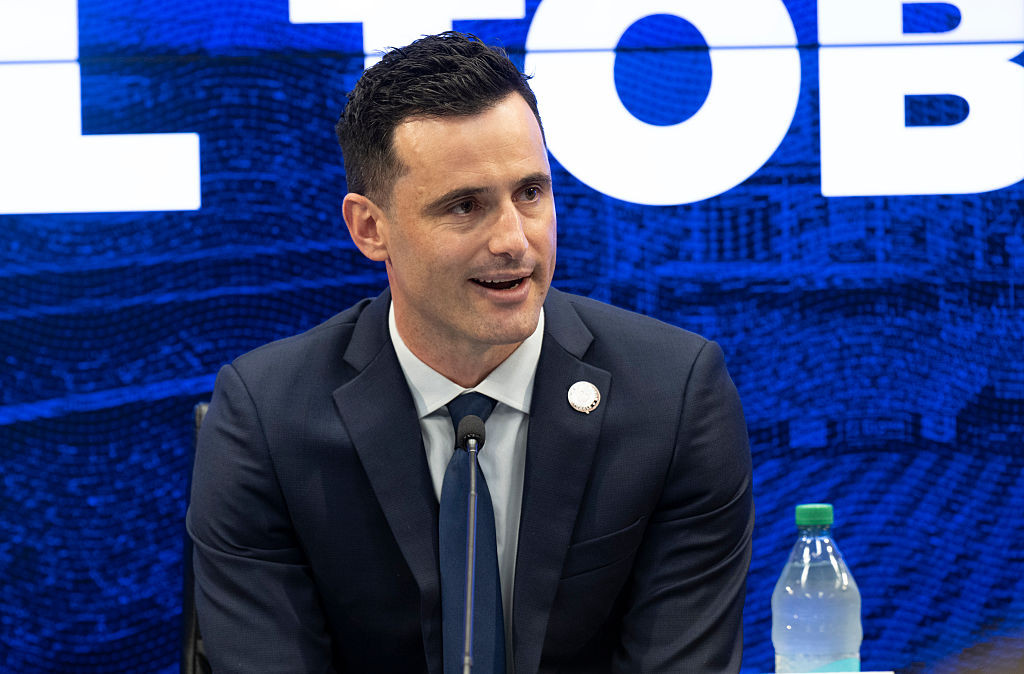
The changes new president of baseball operations Paul Toboni made to the Nationals’ minor league system and player development department are now known, with the club officially announcing the coaches, coordinators and player development staff this afternoon.
There are still holdovers from previous years, but Toboni, assistant general manager Devin Pearson and special assistant to the president of baseball operations Andrew Wright have made a lot of changes to the system in the hopes of becoming a “player development machine,” as the new head man put it during his introductory press conference back in October.
Some of the biggest changes are the additions of more coaches and athletic training staff at each minor league affiliate, as well as an increased number of hitting and pitching coordinators.
One of the main holdovers is Matt Lecroy, who returns for his sixth season as the manager of Triple-A Rochester and 18th with the Nationals organization. LeCroy becomes the first manager to be the Red Wings skipper for a sixth consecutive year since Joe Altobelli managed the club from 1971-76.
A former big league catcher with the Nats in 2006, LeCroy has previously managed Double-A Harrisburg (2012–13, 2016–19), Single-A Potomac (2011) and Single-A Hagerstown (2009–10), while also serving as the Nats bullpen coach in 2014-15.

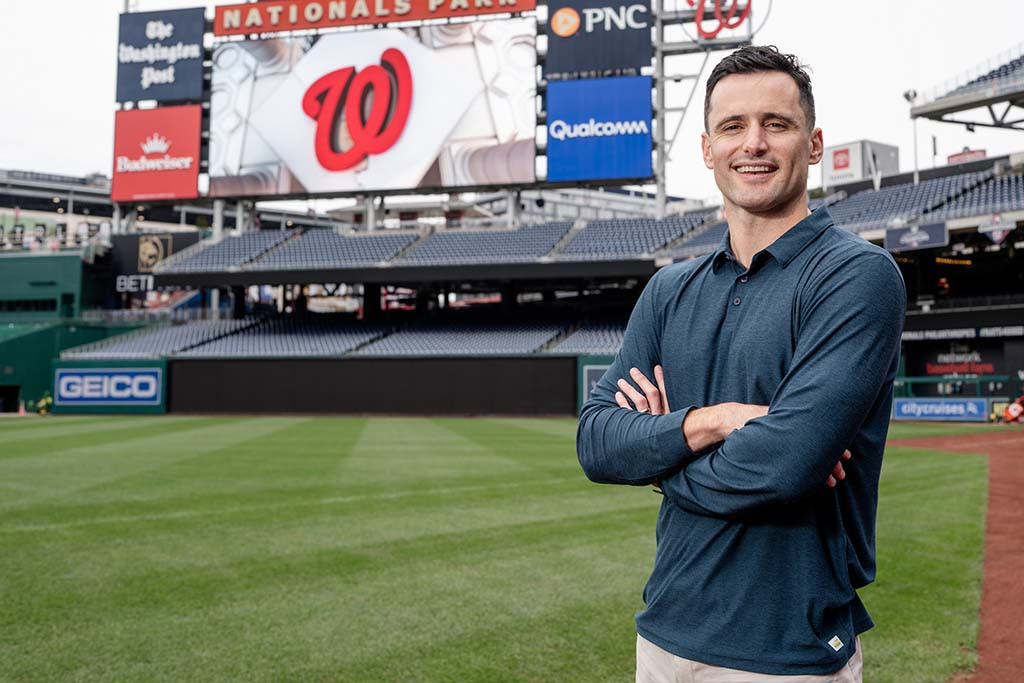
As the dust settled from last week’s trade of MacKenzie Gore, with plenty of thoughts coming to the forefront about the five prospects the Nationals got from the Rangers and what this all means about the new front office’s short-term and long-term intentions, another question eventually came to mind: Who exactly is going to fill out the Nats’ 2026 rotation at this point?
It’s a question, quite honestly, that doesn’t come with a very reassuring answer.
Even with Gore, the Nationals’ projected rotation looked thin on sure things. Now, it’s even thinner.
If he had to pick five starters right now to open the season, new manager Blake Butera probably would choose (in no particular order) Cade Cavalli, Brad Lord, Jake Irvin, Foster Griffin and (if healthy and ready to go) Josiah Gray. The options beyond that include Mitchell Parker, Andrew Alvarez and maybe Rule 5 Draft pick Griff McGarry (who you’d think is more likely to open the year as a long reliever). Then there are DJ Herz and Trevor Williams, each still recovering from elbow surgery but perhaps ready to go sometime around May.
Is that what the Nationals rotation will actually look like come late-March? Maybe, though again it would feature a lot more questions than answers.
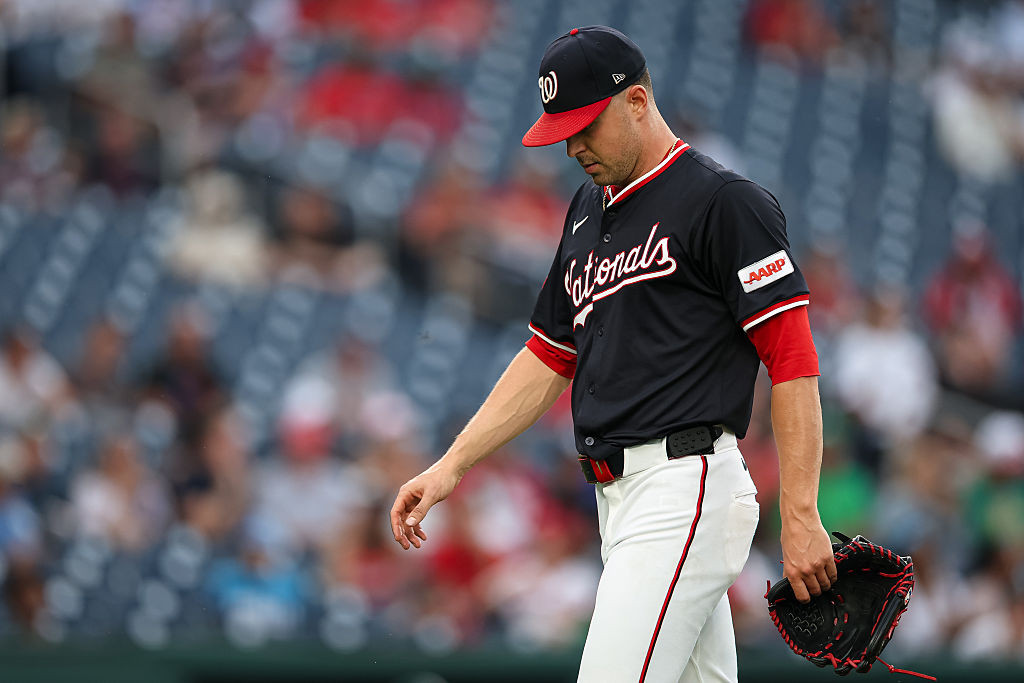
Oh, how things can change in 3 ½ years. Heck, how things can change in 11 months.
Thursday’s trade of MacKenzie Gore to the Rangers for five prospects not only marked the end of the Nationals’ previous rebuild, but also the beginning of the next one.
As hard as it may be for fans to hear after four years of rebuilding, new president of baseball operations Paul Toboni admitted as much when he spoke to the media over a Zoom call Thursday night to discuss the deal that has now put the Nats even further away from contention.
“I think we’ve got to be honest with ourselves,” Toboni said. “The truth is – and I don’t think this is a mystery to the fan base, the media or anyone – we lost 96 games last year. To turn it around in one year and make the playoffs ... not to say it can’t be done, but it’s a challenge. What we want to do is make sure we build this really strong foundation, so when we do start to push chips in, we can win for an extended period of time. That fits with that strategy for us.”
That’s a harsh reality from the new man in charge, and a direct contrast from what fans heard the previous regime say ahead of last season.
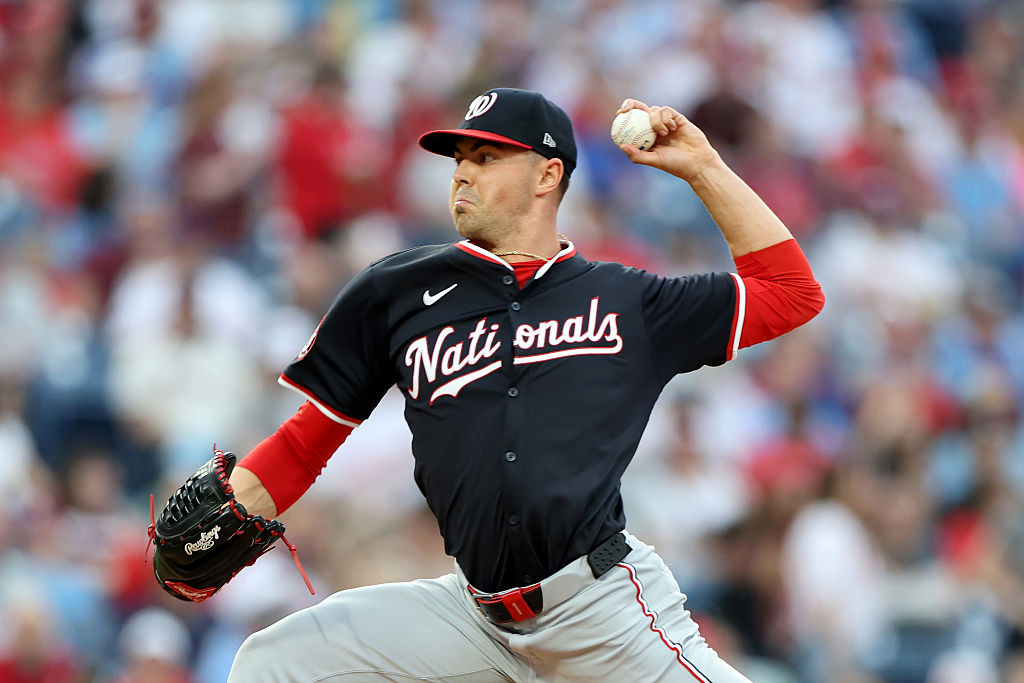
On the day he traded Juan Soto, Mike Rizzo acknowledged the raw emotions everyone was feeling at the time but insisted it ultimately would leave the Nationals in a better position to win long-term.
“I think it accelerates the process,” the former general manager said. “I think that you lose a generational talent like that, but you put in five key elements of your future championship roster.”
Not even 3 1/2 years later, the man who replaced Rizzo running baseball operations tried to explain how trading away one of those “key elements of your future championship roster” for five more prospects – long before this franchise has come anywhere close to winning again – will put the Nats in a better position to win long-term, a message that is increasingly difficult for a weary fanbase to accept.
“I hear it, and I empathize with it,” Paul Toboni said Thursday night after trading MacKenzie Gore to the Rangers. “There would be part of me – I think back to my 15-year-old self; I was a Giants fan at the time – bummed to see a player of this caliber leaving, and a leader on the team and that sort of thing.
“But I would paint a much more optimistic picture. I think the excitement that comes with these players we’re getting in return exceeds the disappointment of seeing MacKenzie go. That’s just me talking as the head of baseball operations now. I’m really excited about the package we’ve gotten in return. And I hope fans see it in the same way.”
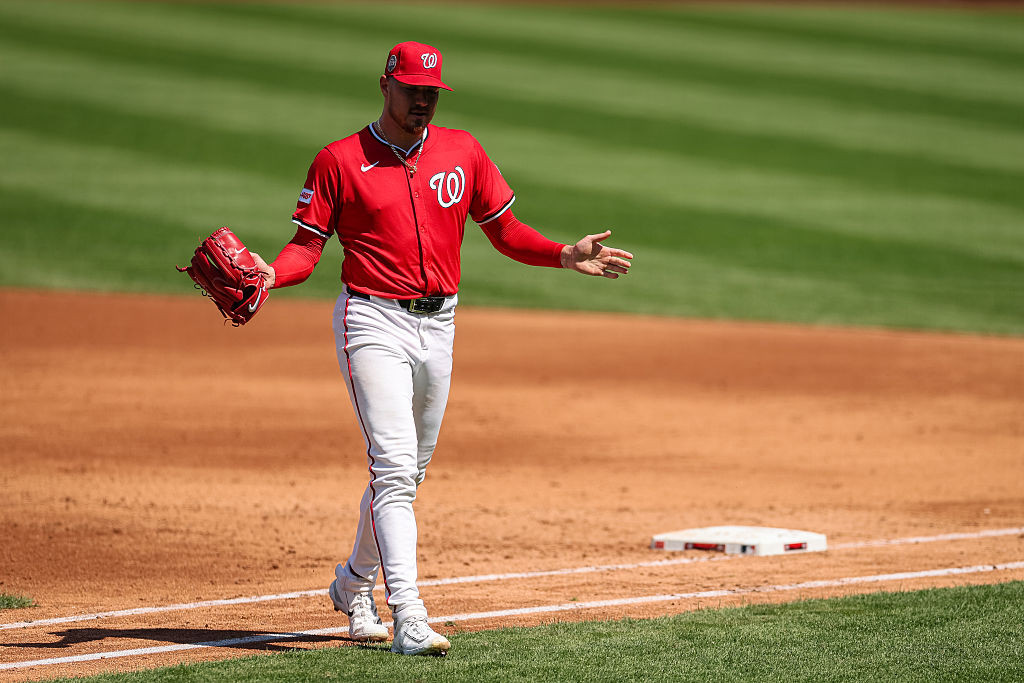
Will Paul Toboni’s first offseason running the Nationals end with his first arbitration hearing against a player? If the club and Cade Cavalli can’t settle on their own in the next few weeks, they will indeed have to let a three-judge panel decide the right-hander’s 2026 salary.
Cavalli was the only one of the Nats’ seven arbitration-eligible players who did not agree to terms with the team prior to Thursday night’s leaguewide deadline. The two sides were required to file arbitration figures, with Cavalli asking for $900,000 and the club countering at $825,000, according to USA Today.
The $75,000 difference represents the smallest gap between any of the 18 major leaguers who filed for arbitration this year, paled in comparison to the record-setting $13 million gap between Cy Young Award winner Tarik Skubal and the Tigers ($32 million vs. $19 million).
Given the relatively modest difference, there’s reason to believe Cavalli and the Nationals will be able to continue negotiations and possibly settle on their own before a trial actually takes place prior to the start of spring training. But given the lack of any track record from Toboni and his front office, it’s hard to say how the new president of baseball operations will approach these cases, whether he follows the lead of some other executives who refuse to extend negotiations once they’ve already filed for arbitration.
Cavalli’s case is an unusual one, because the 27-year-old has far less experience than most players who reach this stage of their careers, having made only 11 MLB starts.
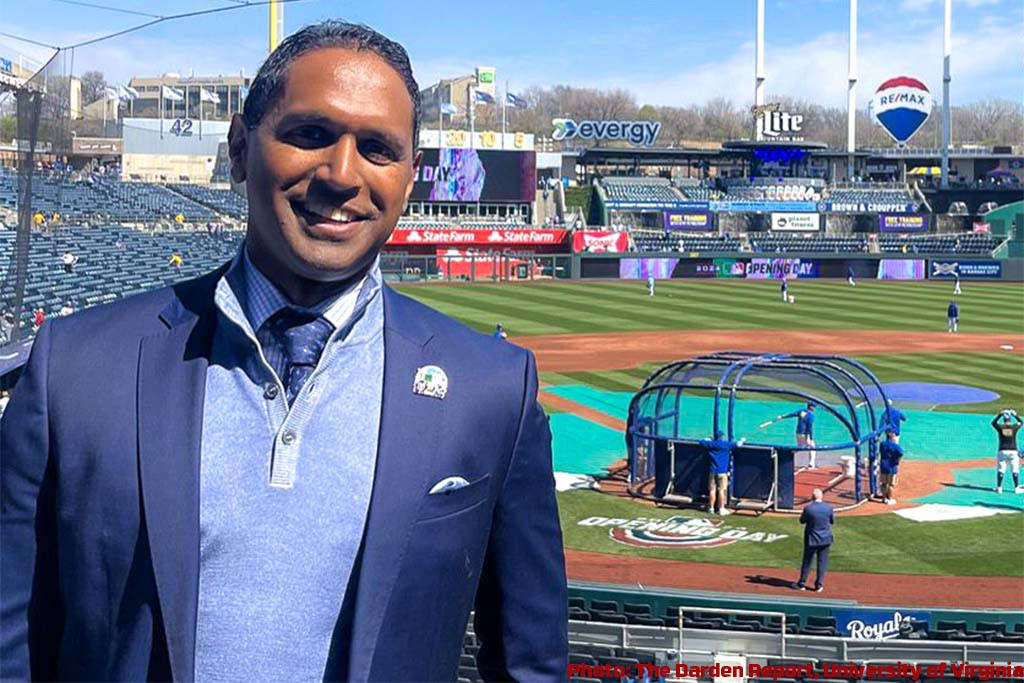
The Nationals have hired Jason Sinnarajah as president of business operations, adding a new position to the organization that lines up with previously hired president of baseball operations Paul Toboni.
Sinnarajah, who spent the last two years as senior vice president and chief operating officer of the Royals, will oversee all business-related aspects of the franchise, reporting directly to ownership.
“Jason is a transformative leader with a proven track record of using data and innovation to enhance the fan experience and drive organizational excellence,” managing principal owner Mark Lerner said in a statement. “By creating the president of business operations role, we are ensuring that our business strategy is as modern and forward-thinking as our baseball strategy. We believe Jason is the ideal person to lead the Nationals into a bright future.”
The Nationals haven’t employed someone with the title of president on the business side of the organization since Stan Kasten, who was part of the Lerner family’s original ownership group and was team president (overseeing both business and baseball) from 2006-10.
Unlike Kasten, Sinnarajah won’t have any input on baseball operations, with Toboni hired in September to assume that role three months after the firing of longtime president of baseball operations and general manager Mike Rizzo.
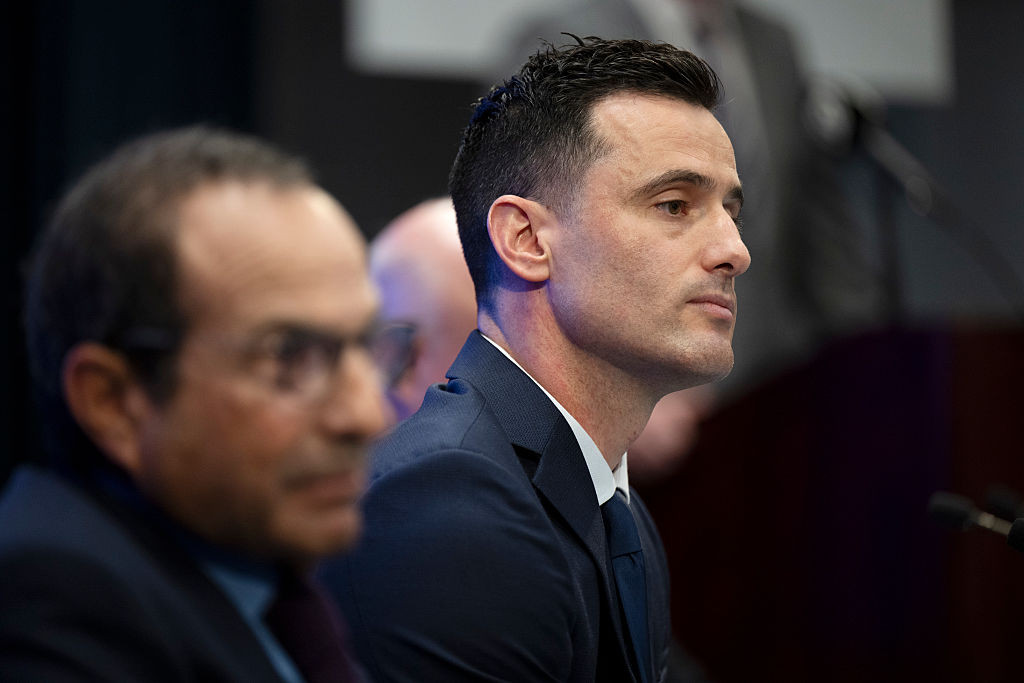
The Nationals haven’t been too competitive on the field since winning the World Series in 2019. Over the last six seasons, they’ve finished last in the National League East five times and fourth once.
The new front office is tasked with changing that. And although it may take some time, the new people in charge are using their own competitive drive to get the Nats back to the top of the baseball world.
President of baseball operations Paul Toboni has said when the Nationals get to where he wants them to be on all fronts – major league team, player development, drafting and scouting – they will be “the envy of all sports.” A highly competitive approach is needed to accomplish that.
The Nats may not always like what they see on the actual and metaphorical scoreboards, but they aren’t going to ignore it so they know where they need to improve in order to win on and off the field.
“We're going to try as hard as we can to create a scoreboard,” Toboni said to a huddle of local media after his introductory press conference in October. “So if I'm working in player development, we want to know how much better or worse we are at developing players than other organizations. And that's tricky at times to really come up with a scoreboard, but that's the mindset that we want to have.”
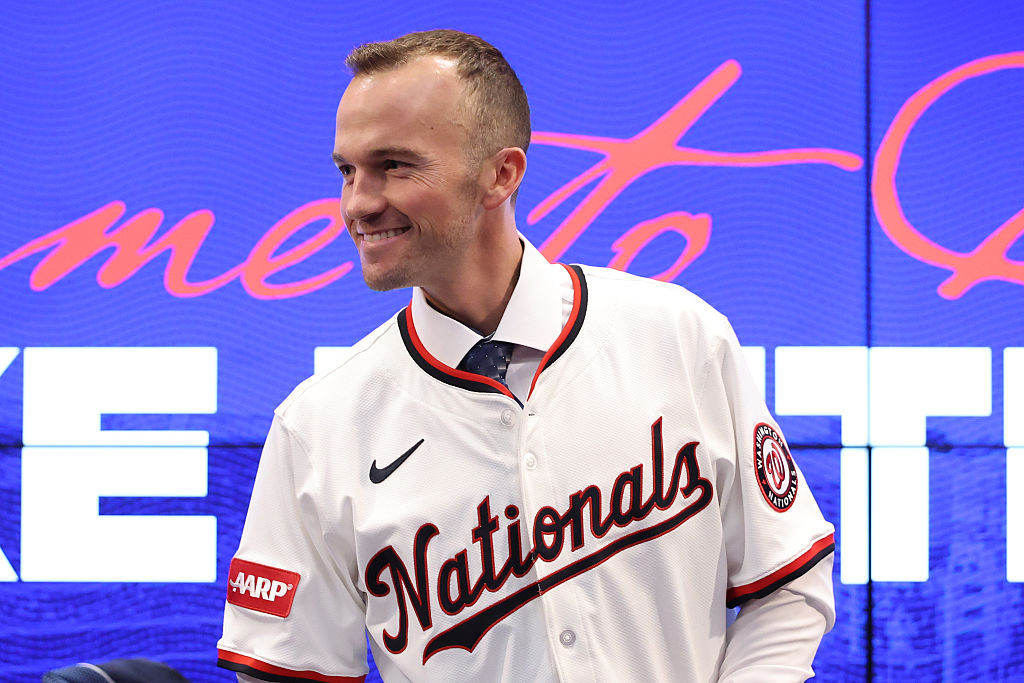
The Nationals entered 2025 with visions of taking a long-awaited step forward, turning the fourth season of their rebuild into their first winning season since 2019. That, of course, didn’t happen.
So as they now enter 2026, what visions exactly do this franchise have for the new year?
It’s not an easily answered question. Because of the massive changes that have taken place throughout the organization, it’s probably safe to say the goal no longer is to complete the rebuild that was kickstarted by the previous regime. The goal now, for better or worse, is to kickstart a new rebuild under new management.
That’s not going to sit well with a large segment of a fan base that already feels like its patience has been tested enough over the last four seasons. Most bought into the original plan orchestrated by Mike Rizzo, painful as that plan was to accept at the time, and were willing to see this thing through to conclusion, believing better days were coming soon.
But when ownership decided to fire Rizzo (and manager Davey Martinez) in July, then go outside the organization this fall to hire the likes of Paul Toboni, Anirudh Kilambi and Blake Butera, the reset button clearly was hit. With force.
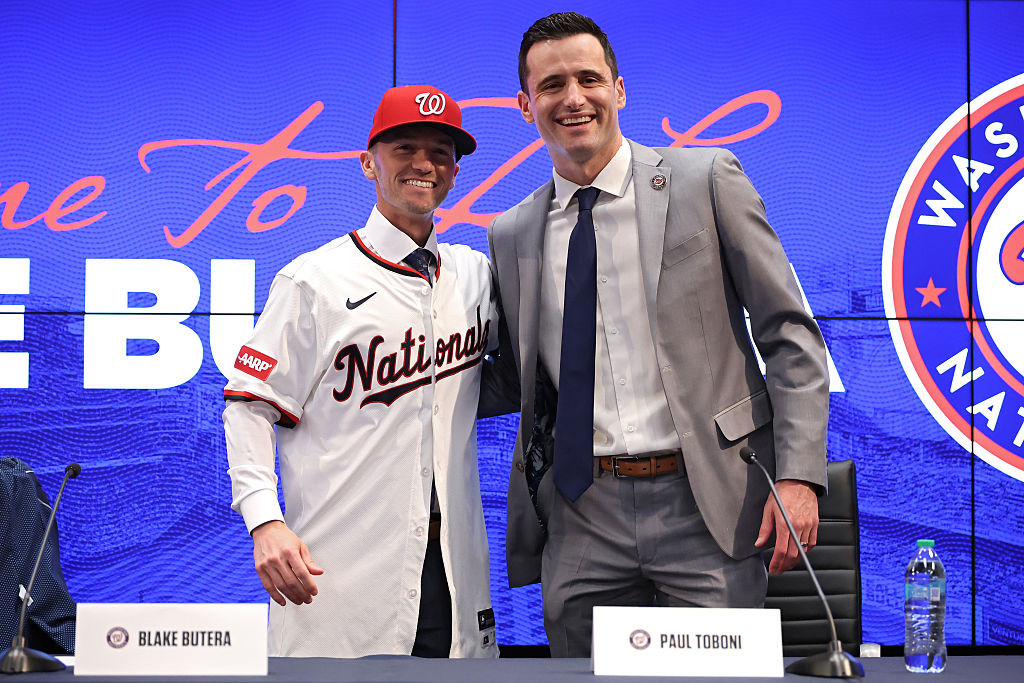
We've reached the final week of the year, so it's time to look back at the Nationals' most significant stories of 2025. We continue the series today with the hirings of Paul Toboni as president of baseball operations, Anirudh Kilambi as general manager and Blake Butera as manager ...
It had been a long time since the Nationals found themselves searching for a new manager, longer still since they found themselves searching for a new general manager. And never before had they found themselves searching for both at the same time.
But when members of the Lerner family decided to fire both Mike Rizzo and Davey Martinez on the same Sunday afternoon in early-July, this was the situation they created for themselves. They were going to finish out the season with interim replacements. Then they were going to have to decide who should get both jobs on a permanent basis.
First up, the GM position. The Nats could have opted to retain Mike DeBartolo, Rizzo’s longtime No. 2 in the front office who admirably took over during a time of turmoil and earned praise for navigating the franchise through the MLB Draft and trade deadline. In the end, ownership chose to go completely outside the organization and start fresh with one of the sport’s up-and-comers.
Paul Toboni was only 35, but he had spent the last decade climbing the ladder in the Red Sox organization and seemingly was in line to become their GM underneath chief baseball officer Craig Breslow. Until the Nationals lured him away with an offer of an even loftier title (president of baseball operations) and the keys to the entire front office.
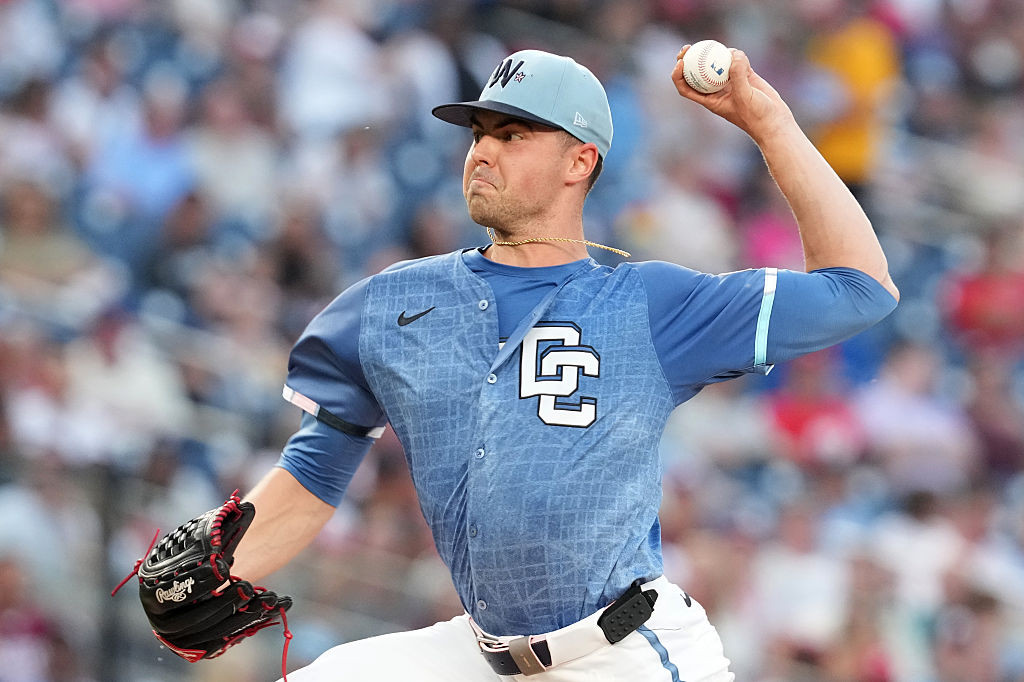
Merry Christmas to all and to all happy holidays!
As we wake up this morning to see what new things from our personal wish lists Santa left under the tree, there are still plenty of things on the Nationals’ wish list that need to be checked off before the start of the next season.
To be sure, it has been a busy offseason for the Nats. Paul Toboni was hired as the new president of baseball operations at the end of the regular season. He has made numerous hires to fill out his restructured front office, including Anirudh Kilambi as the general manager to work directly below him.
Blake Butera was named the eighth full-time manager in club history. And at the ripe age of 33, he’s by far the youngest. He’s been working to fill out his coaching staff, which we know includes the return of Sean Doolittle.
Toboni has made some of his first roster moves since taking over the Nats as well. He traded left-hander Jose A. Ferrer to the Mariners for top catching prospect Harry Ford and right-hander Isaac Lyon.

Friday’s joint Zoom meeting with new Nationals president of baseball operations Paul Toboni and new general manager Anirudh Kilambi of course gave us insight into how the new dynamic at the top of the front office will work. And we’ll have much more on that to come.
But it also gave us the first chance to ask Toboni about a recent roster move he’s made since leaving the Winter Meetings in Orlando.
The 35-year-old executive could not comment on the reported signing of left-hander Foster Griffin to a one-year, $5.5 million deal, as that has not been made official yet. But he could discuss a trade he made with his former organization in a swapping of minor league pitchers.
On Monday, Toboni made his second trade since taking over the Nationals front office by sending left-hander Jake Bennett to the Red Sox in exchange for right-hander Luis Perales. Both pitchers have a lot of upside, but both are recently returning from Tommy John surgery. And of course, Toboni knows Perales well from his time overseeing Boston’s player development department.
“On the Perales-Bennett trade, a great opportunity to trade for a great talent in Luis,” Toboni said on the Zoom press conference Friday afternoon. “He's got swing-and-miss stuff. He's still coming back from the injury, but he should be ready to roll in spring training and ready for the start of the season. He's got a really exciting fastball, exciting secondary. And then just having been around him a good amount in Boston, he's a stud competitor. I think a number of us were just really drawn to that and kind of what he can achieve as a pitcher going forward for us. So really excited about the add.”
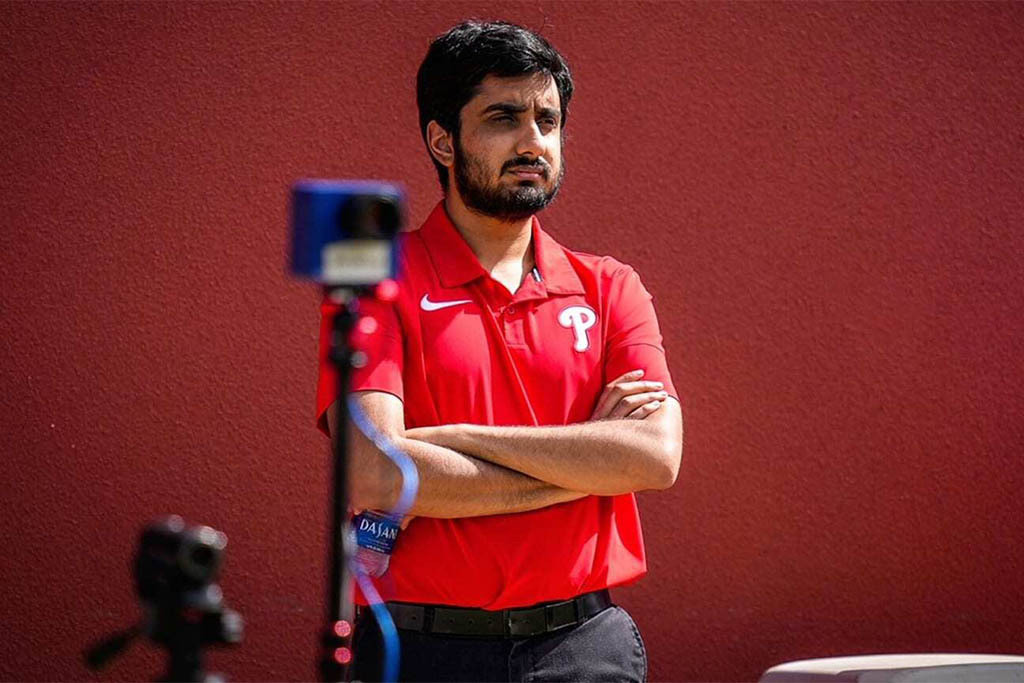
Because Paul Toboni had previously suggested he might wait a while to hire a general manager, Anirudh Kilambi had little reason to expect a phone call from the Nationals’ new president of baseball operations earlier this month. Besides, Kilambi was perfectly happy in his role as an assistant GM with the Phillies, leading their research and development team, helping supplement a big-market team with big-name stars and a deep-rooted desire to win a World Series now.
Toboni, though, was keeping an open mind all along on hiring a GM this winter, instead of waiting a year to fill that all-important No. 2 role in his revamped front office. And having met Kilambi a few years ago and having heard great things about him from others in baseball since, he decided to contact the Phillies two weeks ago and request an interview.
“We could’ve waited a year or evaluated for a year, but that wouldn’t have allowed for us to push forward at the rate that we would’ve wanted to in year one,” Toboni said. “And year one’s a really important year. Ani in many ways helps us with that, and obviously he’s going to help us way beyond that first year. … I was very comfortable keeping this vacant if we didn’t come onto the right fit. Ani just happens to be an exceptional fit for us.”
Barely two weeks removed from their first phone call, the Nationals officially hired Kilambi as their new GM, giving Toboni one of the sport’s brightest young data minds as his top lieutenant in a front office that bears very little resemblance to the one that had been in place since the franchise arrived in D.C. more than two decades ago.
At 35, Toboni already is the youngest president of baseball operations in the majors. At 31, Kilambi becomes the youngest GM. And that’s to say nothing of 33-year-old manager Blake Butera or the countless other under-40 executives and coaches the Nats have hired in the last two months to remake an organization mired in six consecutive losing seasons since reaching the ultimate peak in 2019.
Though on-field changes have been minimal at this point, with the promise of much more to come before pitchers and catchers report, this has already been the most consequential offseason in Nationals history off the field.
Never in the previous two-plus decades had the club hired both a head of baseball operations and a manager during the same winter. And those are far from the only new people running the show. The front office has been totally remade. So has the coaching staff. And when it’s all said and done, the entire player development operation is likely to have been overhauled as well.
On top of all that, the types of people the Nationals have been hiring for all of these positions bear little resemblance to those who previously held those jobs. Nearly every one of them is in his 30s (or even 20s, in a few cases). Nearly every one of them has a data-heavy background. A good number of them have zero prior big league experience, and some of those don’t even have prior professional experience, coming instead from college programs and private pitching and hitting labs.
While it mirrors in some ways what other organizations were already doing over the last decade, it’s probably taken the young, analytics-heavy mantra to a whole new level. Paul Toboni, 35, is the youngest president of baseball operations in the sport. Anirudh Kilambi, 31, is the youngest general manager in the sport. Blake Butera, 33, is the youngest manager in the sport. And they haven’t been surrounded by older, more-experienced cohorts. They’ve been surrounded by contemporaries.
Is this going to work? Only time will tell. Three years from now, we may look back and praise the Nationals for brilliantly identifying the next wave of great executives and coaches before any of them were on other teams’ radars. Or we may look back and ask: “What on earth were they thinking?”
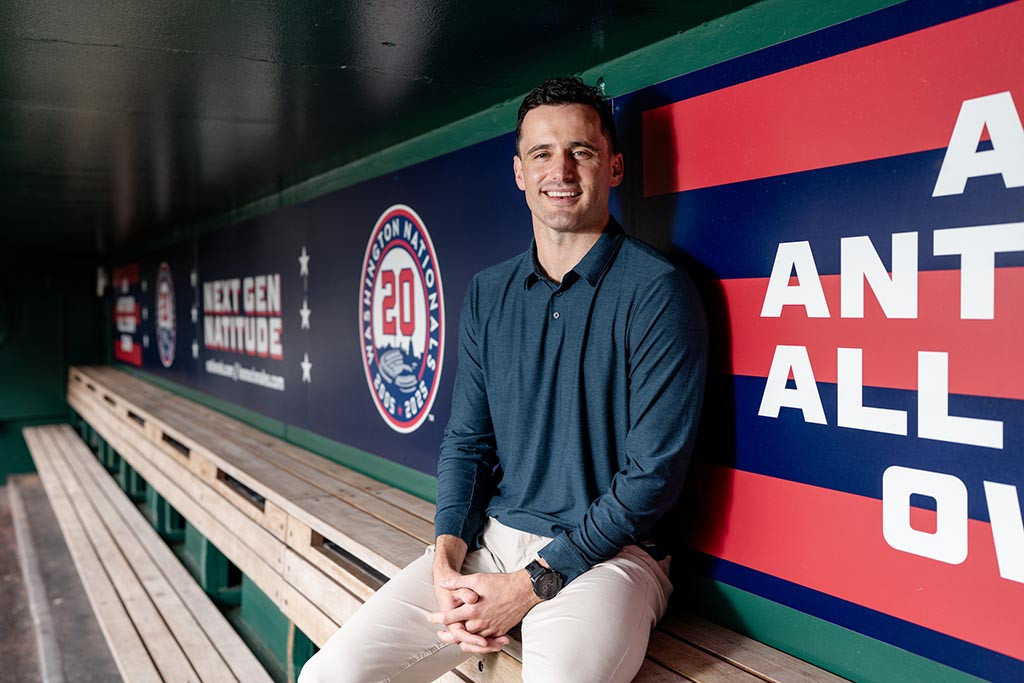
Wednesday night’s news that the Nationals are hiring Anirudh Kilambi as general manager surely caught a number of people by surprise. President of baseball operations Paul Toboni said as recently as last month he didn’t expect to add a GM to his front office yet, seemingly content with the organizational flow chart that had come together since his hiring in late-September.
But then came word of the hiring of Kilambi, a 31-year-old data guru who spent the last decade working for the Rays and Phillies and now gets his highest-profile job to date as one of the youngest GMs in major league history.
It might leave you a bit confused. Fortunately, we’re here to answer some of the questions you likely have right now. If nothing else, consider this a placeholder until we get a chance to interview both Toboni and Kilambi later this week …
Q: So, Anirudh Kilambi is actually Mike Rizzo’s replacement?
A: Only in title. And even then, it’s only in partial title. Though he typically was referred to as the Nats’ general manager, Rizzo officially was president of baseball operations and general manager. In short, he was the guy in charge of the entire front office, and he chose not to promote or hire someone to be the GM beneath him, preferring to employ several assistant GMs and several special assistants to the GM.
Q: So, what is Kilambi’s role compared to Toboni’s role?
A: Toboni is the guy in charge. He makes the final decision on free agent signings, trades, etc. Kilambi will serve as his right-hand man, with an emphasis on all matters related to analytics, data and technology. That’s his background with Tampa Bay and Philadelphia, and he was widely regarded throughout baseball as a top young mind in that area, especially the job he did helping to acquire and develop lesser-known pitchers into quality big leaguers during his seven years with the Rays.
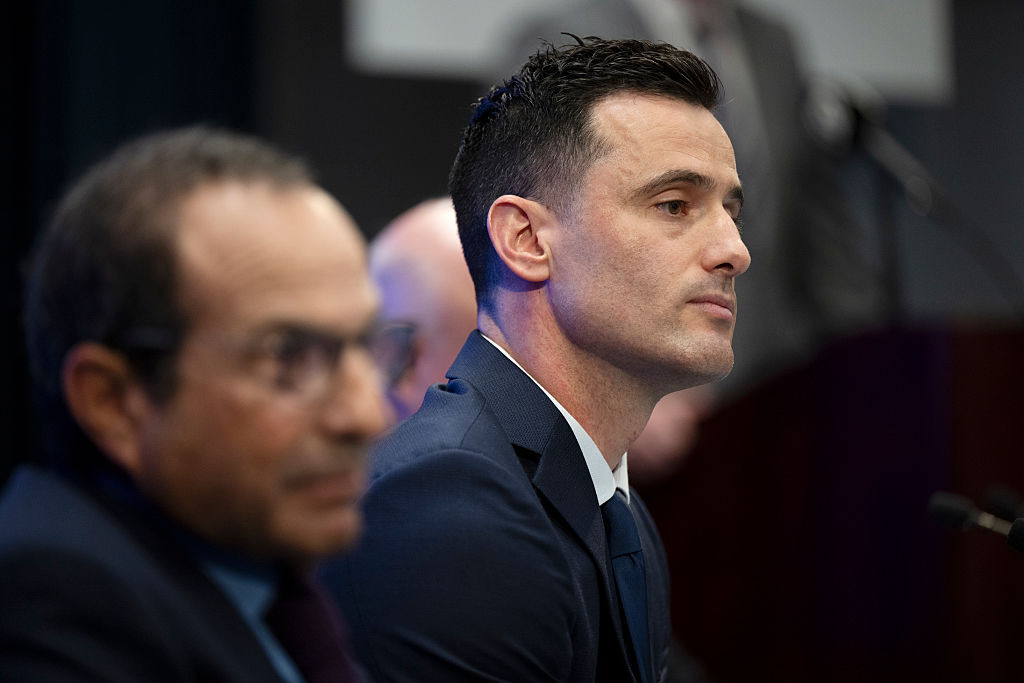
The Nationals are hiring Anirudh Kilambi as general manager, giving president of baseball operations Paul Toboni a second-in-command executive with a strong analytics reputation within the sport after a decade working for the Rays and Phillies.
Kilambi’s hiring, expected to be made official later this week, was confirmed by a source familiar with the decision and was first reported by ESPN.
Since Toboni was hired to take over baseball operations in late-September, the question loomed whether the 35-year-old executive would hire a GM to work underneath him. Toboni proceeded to hire former Red Sox colleagues Devin Pearson and Justin Horowitz as assistant GMs and retained former interim GM Mike DeBartolo as senior vice president and assistant GM, but suggested last month he wasn’t planning to also hire a GM for now.
In the end, Toboni did bring in someone to work directly beneath him, poaching Kilambi from the Phillies, where he spent the last four seasons as an assistant GM in charge of the franchise’s research and development department.
At 31, Kilambi becomes one of the youngest GMs in baseball and follows former Giants executive Farhan Zaidi as the first top MLB executives of South Asian descent. Kilambi is a first-generation Indian American.
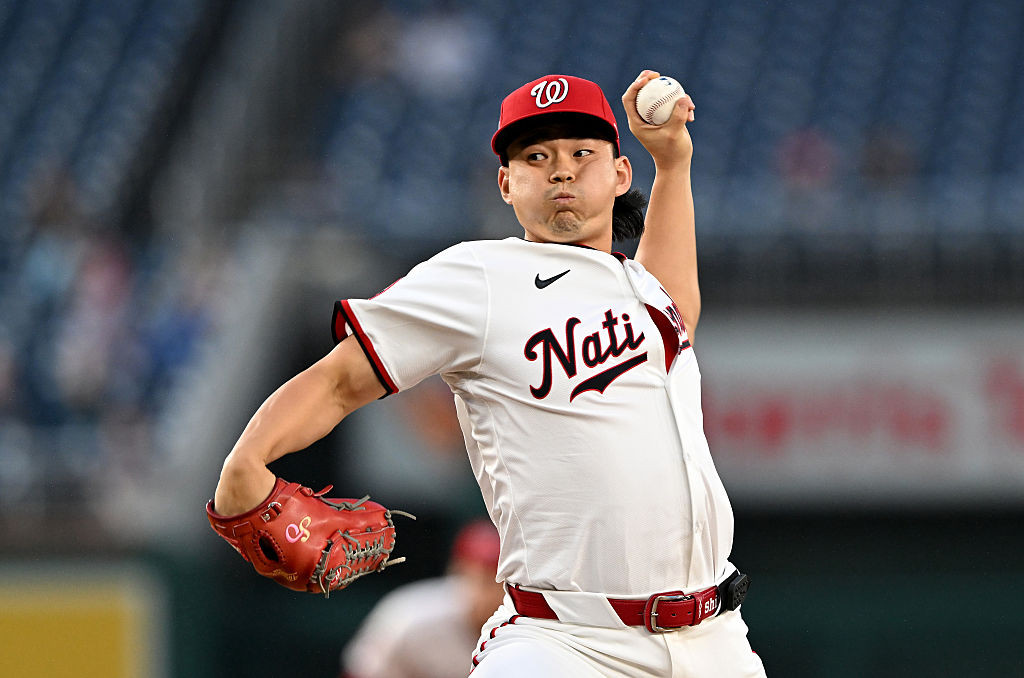
Why did it take two decades before the Nationals signed their first free agent from Asia?
“That market is a market that is built on relationships,” former general manager Mike Rizzo said. “You can’t go down there and just pick and choose a guy you want to scout and try and sign him. That market, I dabbled in it when I was with Arizona a few times. And here, we’ve tried at several Asian players. And it’s just … you’re always on the outside looking in, because you don’t have the network there, the groundwork there, that you need to have to create these relationships.”
Rizzo said this in January, shortly after signing Shinnosuke Ogasawara to a two-year, $3.5 million contract. It was significant news, not so much because of the actual player who was signed, but because it marked the first Japanese free agent signed by the Nats since they arrived in town in 2005.
Rizzo, of course, is no longer GM of the franchise. And in a bit of irony, Ogasawara made his major league debut (and trailed 4-0 before recording an out) hours before Rizzo and manager Davey Martinez were fired.
The left-hander went on to make one more start, then made 21 relief appearances in August and September, ultimately completing his rookie season with a gaudy 6.98 ERA and 1.552 WHIP. Paul Toboni’s new front office wound up removing the left-hander from the 40-man roster, outrighting him to Triple-A Rochester, where he’ll likely be the highest-paid player on the roster in 2026.
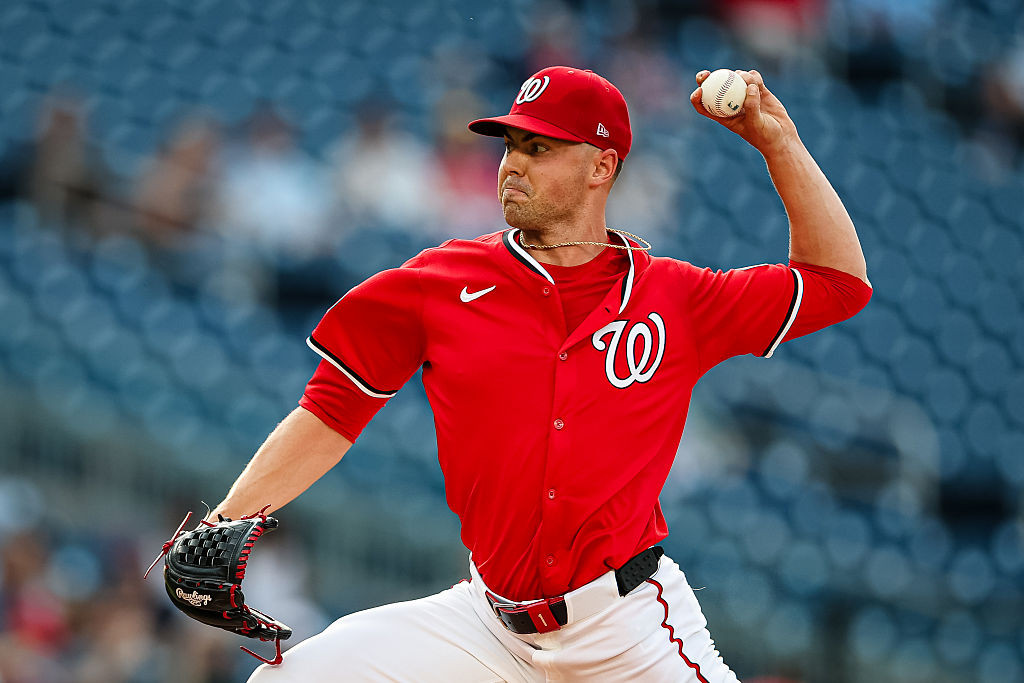
The Winter Meetings have come and gone, and not much has changed for the Nationals since they traded Jose A. Ferrer to the Mariners last weekend before heading to Orlando.
We did, however, see some changes across baseball’s greater landscape, most notably the Orioles signing first base slugger Pete Alonso to a five-year, $155 million contract. That was one of the first major dominoes to fall this offseason, with many more now to follow.
New president of baseball operations Paul Toboni didn’t leave the Winter Meetings with a splashy free agent signing nor another trade completed. He used the week to lay down groundwork for the deals he’ll make between now and the start of spring training.
But with other moves from around the league, we can now speculate on possible avenues he could pursue to fill out the 2026 roster.
After Wednesday’s blockbuster news of Alonso signing with the Orioles, a train of thought led to the possibility of the first-ever trade between the Nats and O’s.
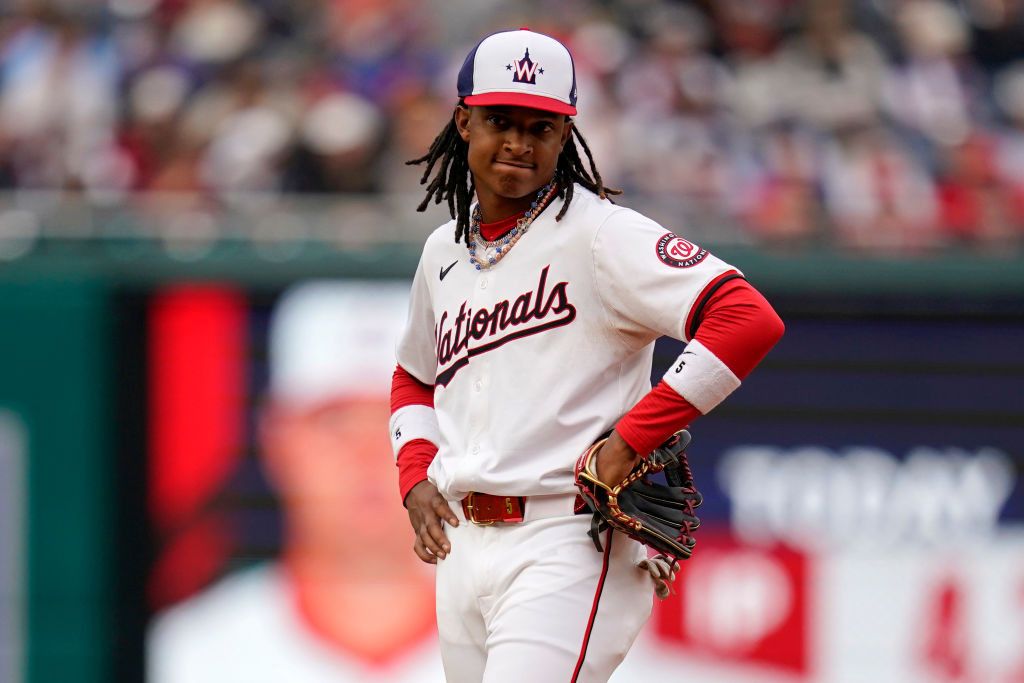
With a new president of baseball operations and a new manager, there were no shortage of Nationals-related topics to bring up at the Winter Meetings this week. Paul Toboni and Blake Butera were peppered with all sorts of questions during their three days in Orlando, and while some of those garnered the immediate headlines, a few more didn’t make the first cut.
With that in mind, let’s go back through the notebook and present Toboni and Butera’s thoughts on some other topics we didn’t get to earlier in the week …
* While we did print their answers to questions about the possibility of trading CJ Abrams, we didn’t get to the question of what position the new brain trust expects him to play if he’s not dealt this winter.
Abrams’ defensive struggles this season were well-documented. Of the 22 major league shortstops who played enough innings to qualify, he ranked 19th in Defensive Runs Saved (minus-6), 20th in Outs Above Average (minus-11) and 21st in Fangraphs’ all-encompassing defensive metric (minus-3.2).
Much of those negative numbers came during a particularly rough second half. After committing nine errors in his first 89 games, Abrams was charged with 13 over his final 53 games (including four during a five-day span in September).
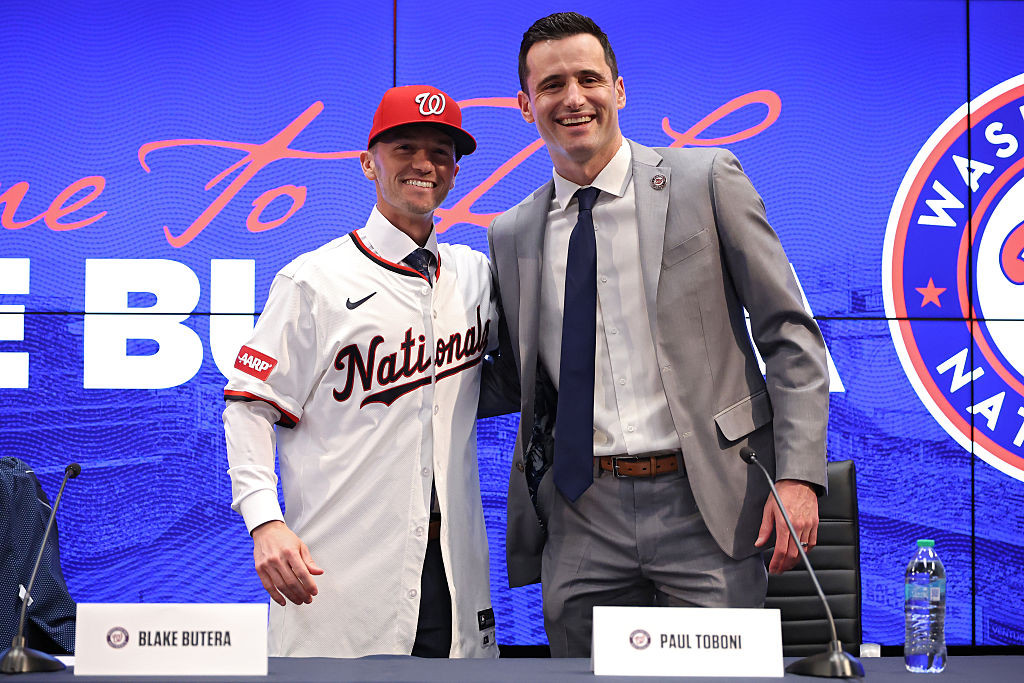
Paul Toboni and Blake Butera each had attended several previous Winter Meetings in their roles with the Red Sox and Rays, respectively. Toboni had participated in high-level meetings in the organization’s suite, during which free agents were signed and trades were completed. Butera had met with fellow minor league managers and farm directors, and had even been one of the club representatives sitting at Tampa Bay’s table at the annual Rule 5 Draft.
Neither man, however, had ever been in these kind of positions of authority. Toboni had never been the one giving the final green light on a trade, nor led the meetings with top agents like Scott Boras. Butera had never been interviewed by reporters, nor asked to pose for photos with the likes of Terry Francona and Dave Roberts.
This week’s event in Orlando was both familiar and unfamiliar to the two 30-somethings now controlling the fate of the Nationals.
Asked if this feels different from his previous times attending the Winter Meetings, Butera smiled and said: “It does. One hundred percent.”
This felt decidedly different for the Nationals as a whole. The last time someone other than Mike Rizzo led baseball operations at the meetings was 2008. The last time someone other than Davey Martinez held a managerial press conference at the event was 2016.
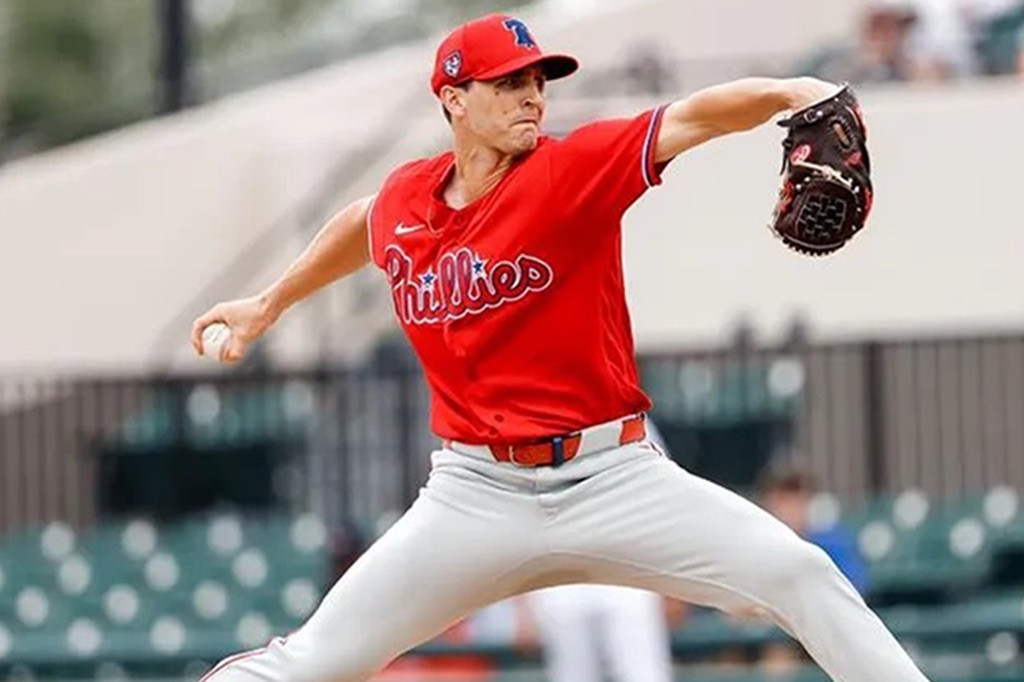
ORLANDO, Fla. – The new Nationals front office’s first Rule 5 Draft pick is an experienced right-hander with elite stuff and high strikeout numbers, but a penchant for walking batters at an alarming rate.
Paul Toboni and Co. decided to take a shot at Griff McGarry, a University of Virginia graduate who spent the last five seasons climbing the ladder in the Phillies’ farm system but never got a shot in the majors because of his inability to consistently throw strikes.
McGarry, 26, was selected with the third pick in this afternoon’s Rule 5 Draft, behind fellow righties RJ Petit (Rockies) and Jedixson Paez (White Sox). The Nationals will give him a shot to make the Opening Day roster, then hope to keep him on the major league roster the entire season without offering him back to Philadelphia.
“The stuff stands out, the velocity,” manager Blake Butera said. “I’ve also heard, even since we just took him, some people have reached out to say what kind of kid he is, what kind of worker he is. We’re just excited to get somebody with that kind of stuff, obviously coming from a great organization. And you build in the work ethic and the character, it seems like a pretty good fit.”
The good with McGarry: His mid-to-upper 90s fastball, and multiple sharp breaking balls, all rate as elite pitches according to advanced metrics. Across 287 minor league innings since 2021, he has allowed only 182 hits while striking out 420 batters. His 13.34 strikeouts per nine innings this season ranked fourth across the entirety of Minor League Baseball, and the Phillies named him their organizational pitcher of the year.