





-1745819772711.png)


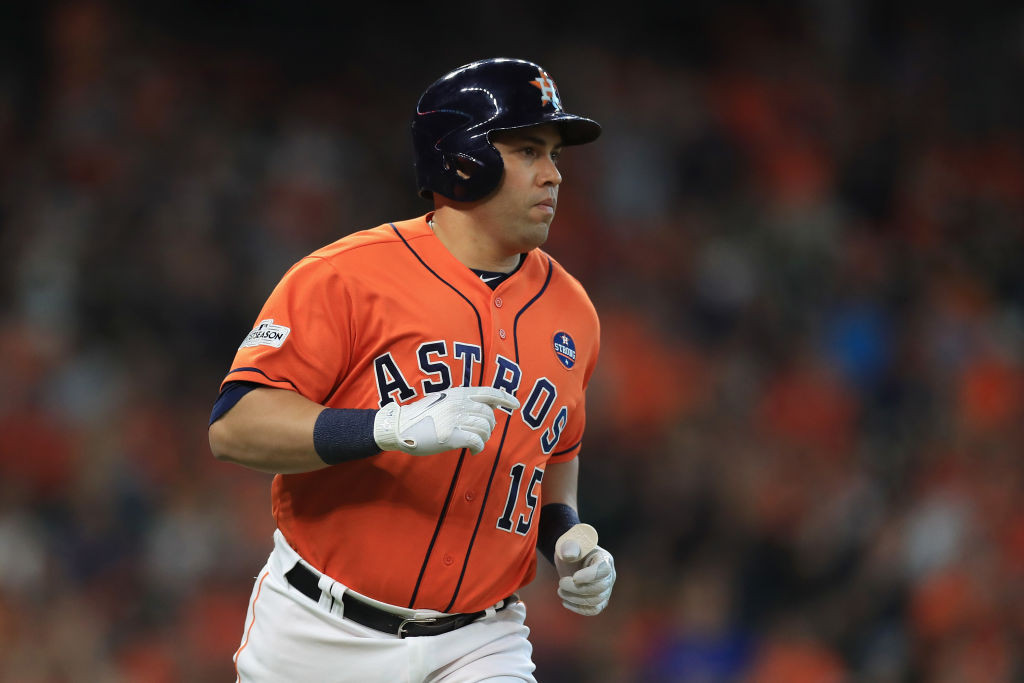
It’s Hall of Fame election day, and while there aren’t any real significant Nationals ties this year – aside from Jayson Werth making the ballot for the first time – it’s still the biggest story around the baseball world for the next 24 hours. So, let’s take this opportunity to look ahead to what may transpire.
The official announcement is scheduled for 6 p.m. Eastern on MLB Network, but the votes have all been in since Dec. 31. There were 28 players on this year’s ballot, 14 of them holdovers who received at least 5 percent support last year, plus 14 newcomers making their ballot debuts.
We already know the Class of 2023 will include Fred McGriff, the lone player elected last month by the Contemporary Era Committee. That committee, made up of 16 Hall of Famers, baseball executives and veteran media members/historians, overwhelmingly voted not to elect Barry Bonds, Roger Clemens and Curt Schilling (among others), who all had failed to reach the required 75 percent support threshold on the Baseball Writers Association of America ballot over a 10-year period.
With those noteworthy, controversial candidates passed off to the Era Committee, this year’s BBWAA ballot felt a little less dramatic than in the past. But don’t worry, it still presented several controversial cases, including one for a brand-new reason that never had to be considered before.
I once again had the privilege of voting, and as always, I’ll publish my full ballot and reasons why I voted for or against everyone on the ballot after the official announcement this evening. Until then, here’s a primer to get you set for the festivities …
As much as the Nationals pitching staff struggled last season, there was always an underlying question in the back of coaches and front office members’ minds: How much did bad defense contribute to those struggles?
Statistically, the Nats pitching staff was the worst in the majors in 2022. So, too, was the team’s defense.
Until mid-August, that is, at which point things took a distinct turn in a positive direction.
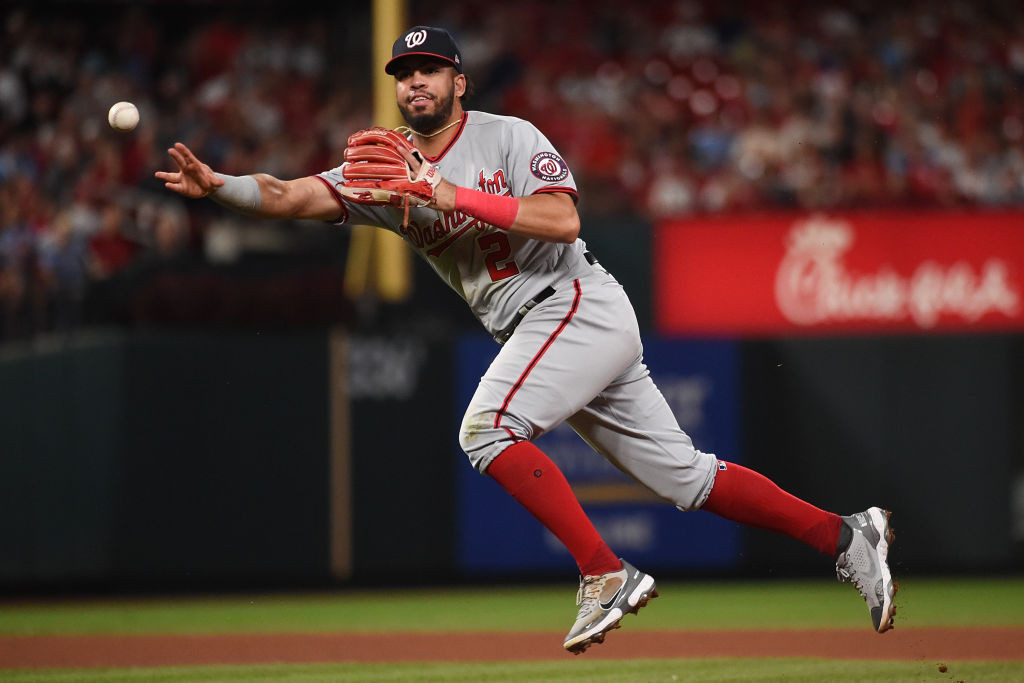
On Aug. 15, the Nationals promoted CJ Abrams from Triple-A Rochester. One of the prized prospects acquired from the Padres in the Juan Soto blockbuster trade two weeks earlier, Abrams immediately was handed the starting shortstop job. And he immediately paid dividends.
On the morning of Aug. 15, the Nationals pitching staff sported a 5.30 ERA while also watching opponents score .45 unearned runs per game. From that day through the remainder of the season, the staff ERA dropped to a far more respectable 4.26, with opponents now scoring .39 unearned runs per game.
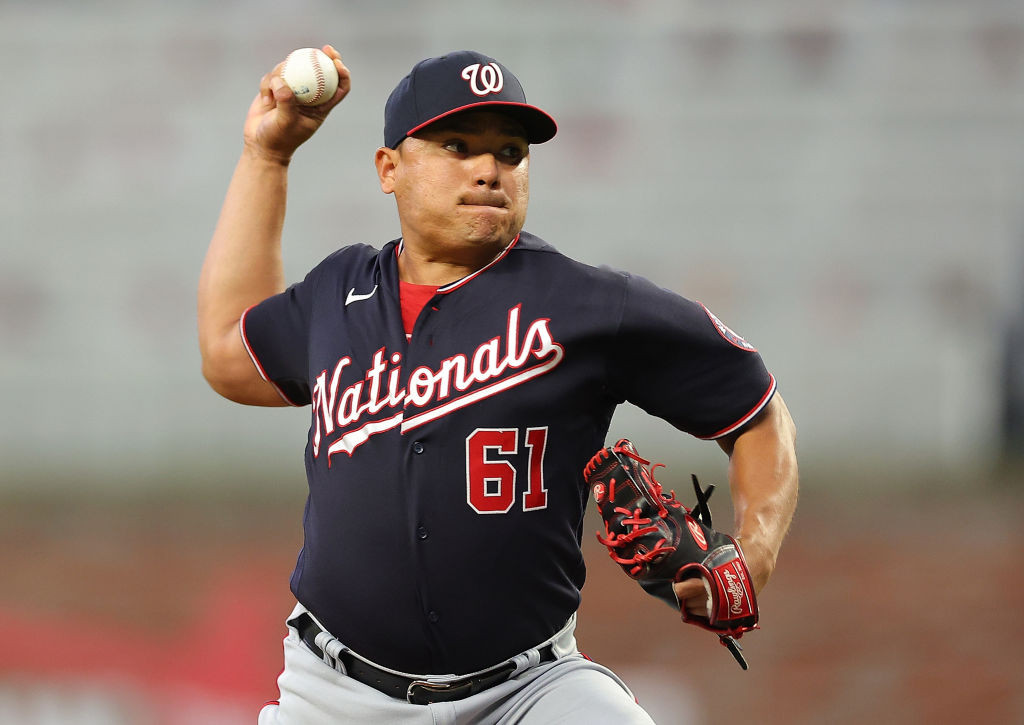
At least two members of the Nationals’ projected Opening Day roster are expected to participate in this spring’s World Baseball Classic, with Joey Meneses and Erasmo Ramirez among those named to their home countries’ preliminary rosters.
Meneses (Mexico) and Ramirez (Nicaragua) were formally included on the WBC preliminary rosters that were reported Friday. Barring injury, each should hold a prominent role on his country’s national team for this spring’s tournament.
Meneses, who became something of a celebrity back home during his stunning two-month debut with the Nationals late last season, is likely to be Mexico’s starting first baseman and hit somewhere in the middle of the lineup. Ramirez, who was named Nats’ Pitcher of the Year after posting a 2.92 ERA in 86 1/3 innings, could start for Nicaragua even though he’ll again be a member of the Nationals bullpen this season.
Players who participate in the WBC could miss a significant chunk of spring training, depending on how far their teams advance in the tournament.
Mexico will compete in Pool C (along with the United States, Canada, Colombia and Great Britain), with pool play scheduled for March 11-15 in Phoenix following several days of workouts and exhibitions. Nicaragua (which qualified for the first time) is competing in the powerhouse Pool D (along with the Dominican Republic, Puerto Rico, Venezuela and Israel), with games in Miami, also scheduled for March 11-15 following several days of workouts and exhibitions.

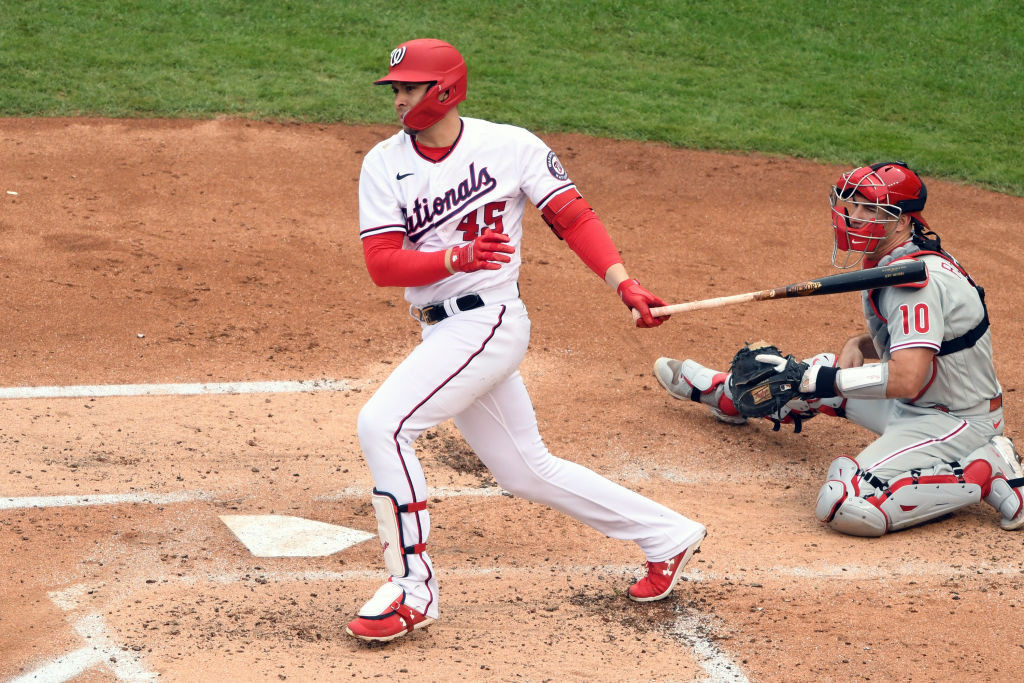
Joey Meneses took the Nationals and the major leagues by storm over the season’s final two months last year. The 30-year-old rookie had spent 10 years in the minors, Mexican and Japanese professional leagues before having his contract selected by the Nationals and making his major league debut on Aug. 2 against the Mets.
Not many people knew who Meneses was when he was introduced as the starting first baseman batting sixth that night at Nationals Park. Most fans were still lamenting over the trade that sent Juan Soto and Josh Bell to the Padres earlier that day.
But Meneses made sure Nats fans knew who he was by the end of the game, hitting a leadoff home run in the bottom of the seventh to secure a 5-1 win over the first-place Mets. With that longball, he became the first Mexican-born player and the fifth-oldest player in major league history to homer in his major league debut.
And he never looked back.
From that point on, Meneses was second in the National League with 72 hits, a .324 average and a .930 OPS. He was tied for fourth in the league with 13 home runs and tied for fifth with 27 extra-base hits.
The Nationals’ best hope for significant improvement in 2023 is through a significantly improved rotation. It’s really as simple as that.
The 2022 Nats rotation was awful. That group’s 5.97 ERA didn’t just rank last in the majors, it ranked last in club history. By leaps and bounds.
Only three previous times had the Nationals ended a season with a rotation ERA over 5.00: In 2006 (5.37), 2007 (5.11) and the pandemic-shortened 2020 campaign (5.38). Davey Martinez and Jim Hickey would’ve killed to get those kind of numbers last season, which tells you just how bad things were.
The organization, though, believes it is ready to take a big step forward in starting pitching. That belief is based in the hope that three young building blocks (MacKenzie Gore, Cade Cavalli, Josiah Gray) are ready to lead the way, taking pressure off Patrick Corbin and Stephen Strasburg to have to hold those responsibilities anymore. The offseason addition of right-hander Trevor Williams, in theory, should provide some stability at the back of the rotation.
It all sounds good on paper, but what are the odds it will play out as hoped in reality?
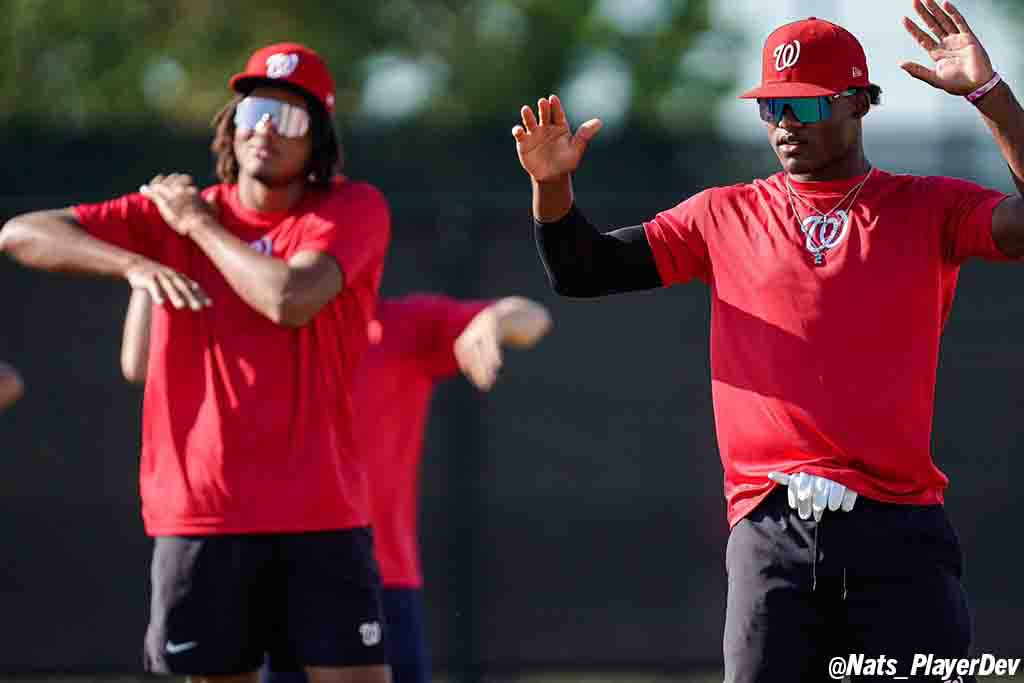
Baseball America unveiled its Top 100 Prospects list for the start of the 2023 season Wednesday, and there’s good news: The Nationals not only had four players make the list, they had four players make the top 61.
Outfielder James Wood leads the way at No. 11. Robert Hassell III (57), Elijah Green (58) and Cade Cavalli (61) are all bunched together farther down the list.
That’s a nice development for the Nats, and evidence of the influx of talent they’ve had in what used to be one of baseball’s worst farm systems. Three of those four players, of course, weren’t even in the organization one year ago at this time. Wood and Hassell came from the Padres in the Juan Soto-Josh Bell blockbuster trade. Green was the No. 5 overall pick in last summer’s draft.
And when you add two young players who were highly rated entering the 2022 season but now are full-time major leaguers (CJ Abrams, No. 9; Keibert Ruiz, No. 11), it further underscores just how far the Nationals have come in the last 18 months.
Which isn’t to say they’re anywhere close to achieving what they ultimately need to achieve.
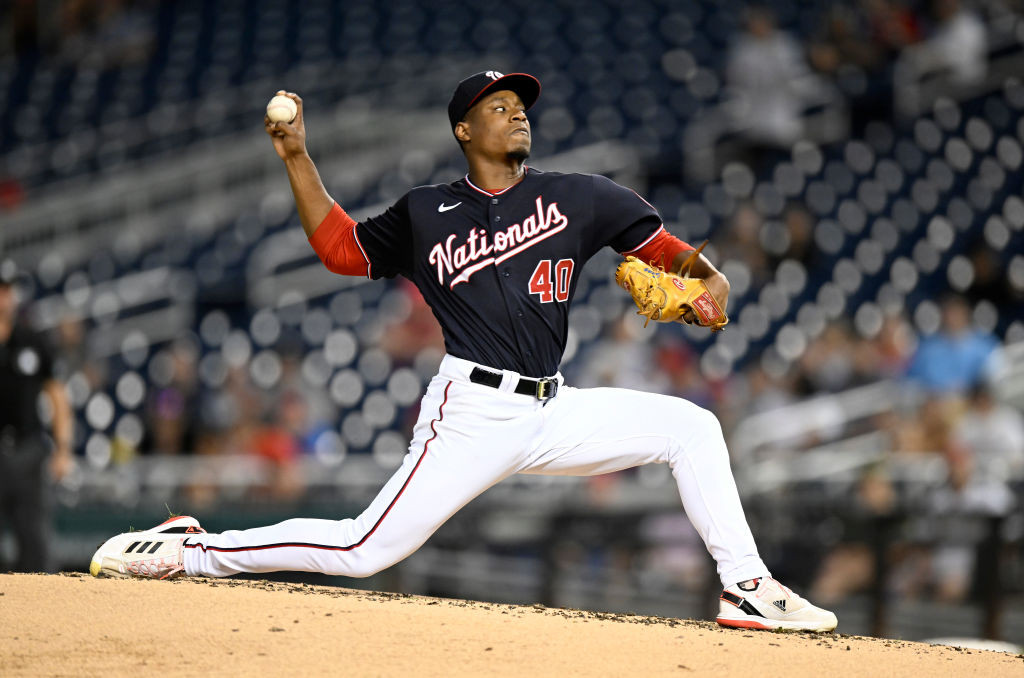
The Nationals were bad last year, but you already know that. They want to be better this year, and you probably do, too.
But will they be better? That’s what we’re attempting to predict the last two days.
Though there’s still a month to go until spring training, and more additions or subtractions are possible, the Nats have already assembled what looks like it could be their Opening Day roster. So it’s not too early for this exercise.
We looked at position players yesterday, running through each of the positions (included designated hitter). Today, we look at the pitching staff, running through each slot in the rotation, plus multiple bullpen roles. Will the 2023 Nationals be better, worse or the same as the 2022 Nationals? Here we go …
NO. 1 STARTER: Slightly better, you have to hope
Who was the Nationals’ No. 1 starter last year? Patrick Corbin started Opening Day and threw the most innings. Josiah Gray led the staff in wins and strikeouts. Aníbal Sánchez (?!) led the starters in WAR. Point is, they don’t have a No. 1 guy, not yet. So for these purposes, we’ll go with Corbin and just look at how he may fare in 2023 vs. 2022. Enough has been said and written about the left-hander, who has steadily devolved over the last three seasons into the worst starter in baseball. He’s not going anywhere, not with two years still left on his contract. So, can he be better than 6-19 with a 6.31 ERA and 1.697 WHIP? You sure hope so, don’t you? Nobody’s going to suggest he can return to his elite 2019 form anymore. But it is fair to think he could become somewhat more respectable, and the main reason for that would be better defense behind him. His 4.83 FIP last season suggests he wasn’t solely to blame for his wretched numbers. Let’s see if an entire year of CJ Abrams at shortstop might actually bring Corbin’s ERA down under 5.00, which would have to be considered a major win.
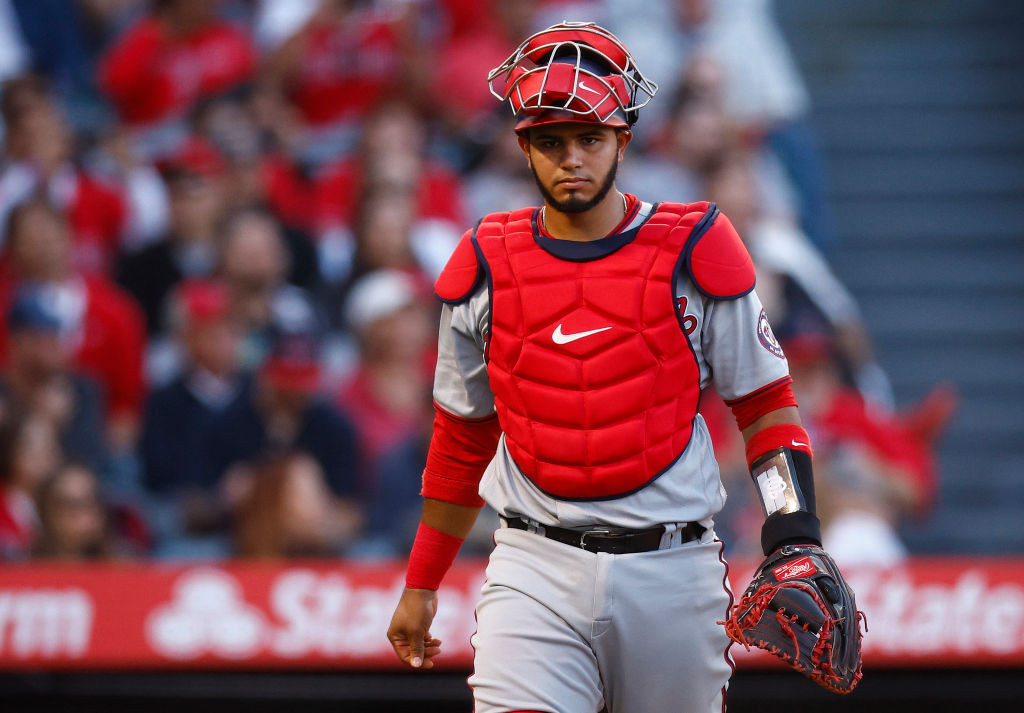
The Nationals were bad last year, but you already know that. They want to be better this year, and you probably do, too.
But will they be better? That’s what we’re going to attempt to predict the next two days.
Though there’s still a month to go until spring training, and more additions or subtractions are possible, the Nats have already assembled what looks like it could be their Opening Day roster. So, it’s not too early for this exercise.
We’ll look at position players today, running through each of the positions (included designated hitter). Then we’ll look at the pitching staff tomorrow. Will the 2023 Nationals be better, worse or the same as the 2022 Nationals? Here we go …
CATCHER: Moderately better
As a group, Nationals catchers posted a .223/.286/.330 offensive slash last season, with 26 doubles, 12 homers and 48 RBIs. Keibert Ruiz (.249/.313/.361) was better than that, and there’s good reason to believe he’ll improve as a hitter in his second full big league season. The Nats would love for his power production, in particular, to improve. Defensively, Ruiz already is solid, but there’s also room for improvement there with experience. The real issue comes on days when he doesn’t start. The team’s backup catchers were really bad last season, with Riley Adams, Tres Barrera and Israel Pineda batting a collective .198/.233/.273 over 215 plate appearances. Somebody from that group is going to have to be better this year.
One month from now, Nationals pitchers and catchers will be on the back fields in West Palm Beach, Fla., with position players soon to join them. Hard to believe, right?
Though they haven't been making major news, the Nats have been making some news the last few weeks, from the signings of Dominic Smith and Corey Dickerson to the designating of Andres Machado for assignment, to the signings of five of their six arbitration-eligible players (all but Victor Robles). Oh, yeah, and then there's the whole ownership situation. Can't forget about that.
Let's take an opportunity this morning to take your questions on all things Nationals-related. If you have something you'd like to ask, please submit it in the comments section below. Then check back throughout the morning for my replies ...
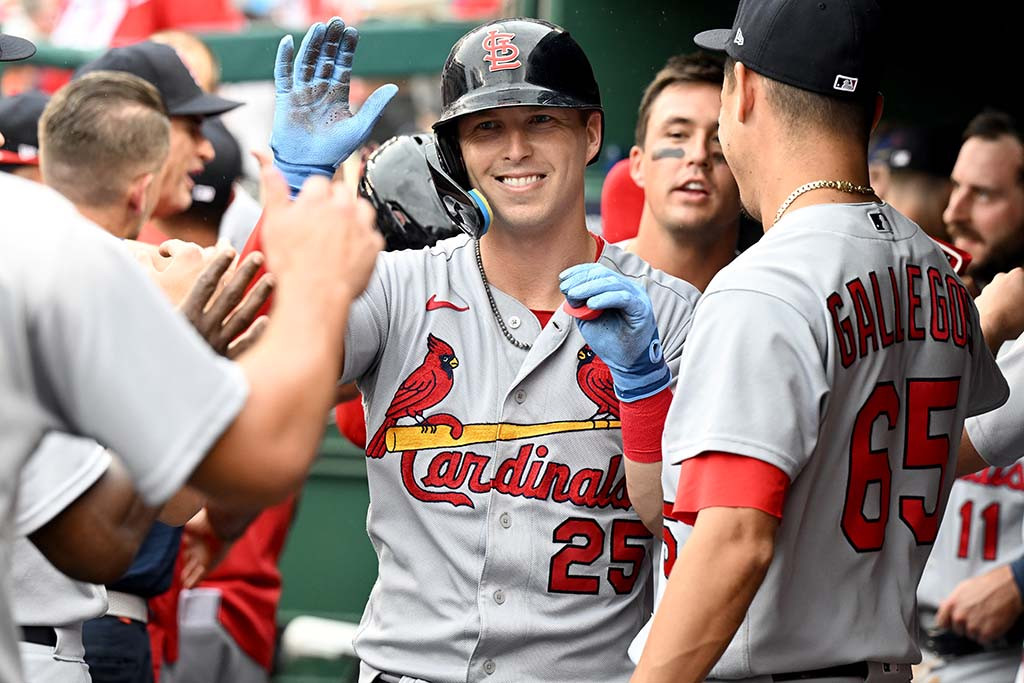
Corey Dickerson is the latest veteran to sign with the Nationals. And he brings the most experience.
While Jeimer Candelario (29 years old), Trevor Williams (30) and Dominic Smith (27) have played seven, seven and six major league seasons, respectively, Dickerson, 33, is entering his 11th season in the bigs, now with his eighth different club.
Unlike the Nats’ other three major league signings this offseason, Dickerson isn’t looking to kickstart his career for the long run with a fresh start on a new team. He’s more out to show that he can still play.
A former All-Star and Gold Glove Award winner, Dickerson, who has spent time with the Rockies, Rays, Pirates, Phillies, Marlins, Blue Jays and Cardinals, says he still has something to prove to the baseball world.
“That I'm a good baseball player,” Dickerson said when asked what he wants to prove this year. He spoke via Zoom with reporters after signing a one-year, $2.25 million deal with the Nats on Tuesday. “That I can do more than just one thing. I think I can still hit for power. A lot of people have written me off with that. … I still think I can hit for power, I can do many things well.”
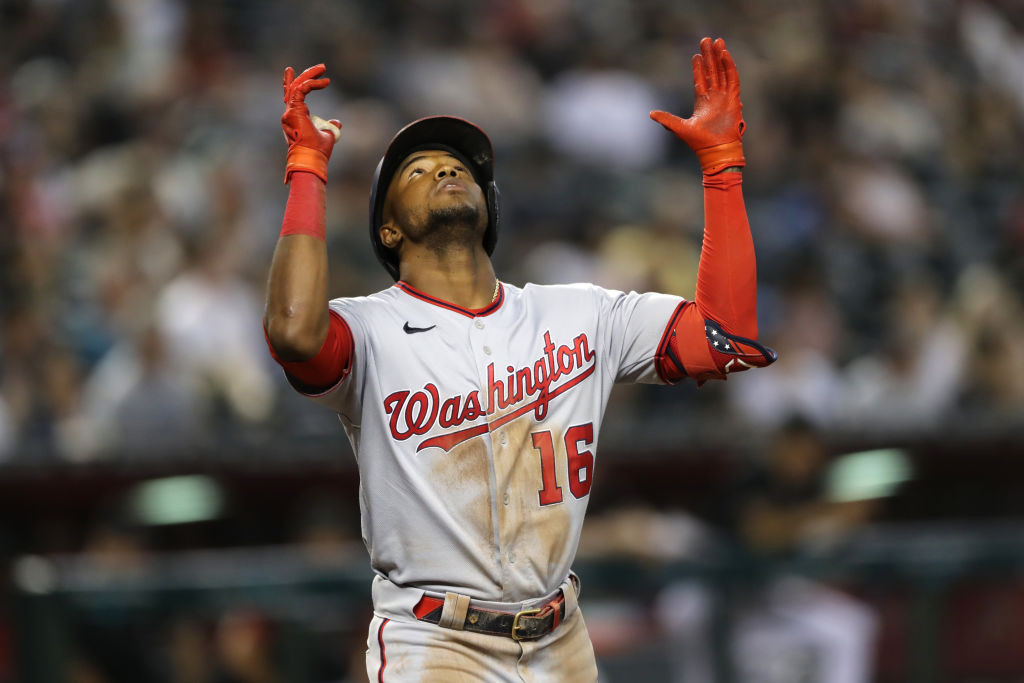
Less than one year ago, Victor Robles and the Nationals were unable to come to terms on a salary figure for the 2022 season, so the two sides filed for arbitration. This was after the lockout-delayed spring training had begun, creating a very narrow window for negotiations and for a hearing to be scheduled.
The disparity between the two sides’ official arbitration filings ($500,000) wasn’t nothing. Robles was seeking $2.1 million, while the Nats countered at $1.6 million. He was the team’s only arbitration-eligible player who didn’t sign before the deadline.
But as so often is the case in these matters, they did ultimately agree to a deal before ever setting foot in an arbitration hearing. Twelve days later, just as camp was about to wrap up, Robles and the Nationals agreed to a one-year, $1.65 million contract.
That’s right, Robles accepted an amount that was only $50,000 greater than the team’s official arbitration offer.
It was with that prior negotiation in mind that the two sides once again were unable to work out a deal prior to this year’s deadline, which came Friday night. So once again, Robles was the Nationals’ lone arbitration-eligible player who did not come to terms in time and was forced to submit a formal offer to the league.
It's deadline day for all major leaguers with more than three years and fewer than six years of service time to agree to terms with their clubs on 2023 salaries or else file for arbitration. The Nationals have six unsigned players facing today's deadline: Victor Robles, Kyle Finnegan, Lane Thomas, Carl Edwards Jr., Victor Arano and Hunter Harvey.
Bobby Blanco and I will be keeping track of any deals that come together over the course of the day, so check back for updates along the way ...
* Harvey is the first player to sign. The Nationals announced the right-hander has agreed to terms on his 2023 contract, avoiding arbitration. We don't have numbers yet, but MLB Trade Rumors projected a $1 million salary for him in his first year of arbitration eligibility.
Harvey, 28, had something of a breakthrough season out of the Nats bullpen after years of injuries with the Orioles. He did miss several months with an elbow strain, but he returned strong and finished the season healthy, with a 2.52 ERA and 1.144 WHIP, striking out 45 batters in 39 1/3 innings. He should enter the season at worst as the Nationals' seventh inning reliever, setting up Edwards and Finnegan.
* Next up is Edwards, who has avoided arbitration with his own one-year deal. The Washington Post reports he'll earn $2.25 million, which is a nice bump from his league minimum salary last season after he joined the club on a minor league deal. The 31-year-old right-hander was a revelation, producing a 2.76 ERA and 1.226 WHIP over 57 appearances, his best season since 2018 with the Cubs.
It’s another deadline day across Major League Baseball, this one for all arbitration-eligible players to either agree to terms on their 2023 salaries or exchange figures with their clubs and file for an arbitration hearing.
How does that work? This applies only to players with more than three years but fewer than six years of big league service time. (There are also a group of players with fewer than three years who qualify early for arbitration, the so-called “Super Two” players, but the Nationals have nobody in that category this year.)
These players don’t have the right to become free agents yet, but they do have the right to negotiate their salaries. It’s up to them and their teams to find common ground and agree to a dollar amount. If they can’t, each side submits an offer, then a hearing is set for February, at which time a three-judge panel will pick a winner and declare the player’s salary.
A couple of things that are important to remember: 1) If a player doesn’t agree to terms today, that doesn’t mean he’s no longer under contract. He’ll still be part of the team this season, it’s just going to take a while longer to determine his salary. 2) Players and teams who don’t strike a deal today must file for arbitration, but they’re still free to continue negotiating up until the hearing and could still work something out before ever appearing before the panel. This is actually quite common.
So, which players does this apply to? The Nationals have 10 players with three to six years of service time, but four of them have already agreed to 2023 salaries, either because they were cut loose by other organizations and signed as free agents (Jeimer Candelario, $5 million; Dominic Smith, $2 million) or because they negotiated deals prior to today’s deadline (Tanner Rainey, $1.5 million; Ildemaro Vargas, $975,000).
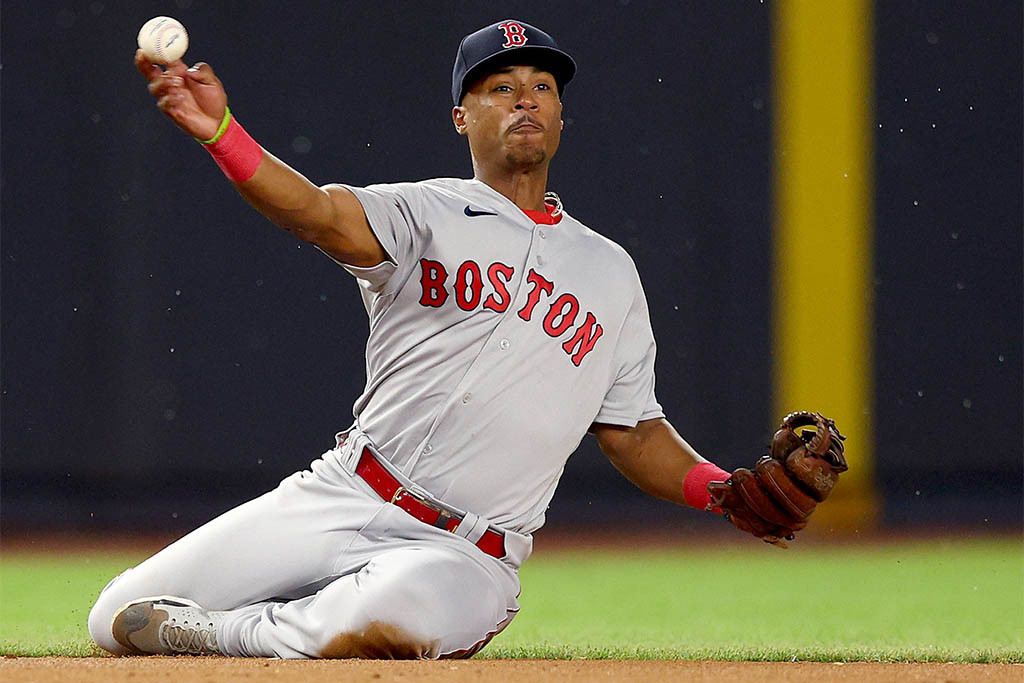
The Nationals’ latest waiver claim was noteworthy in that it was a well known name that was surprisingly available.
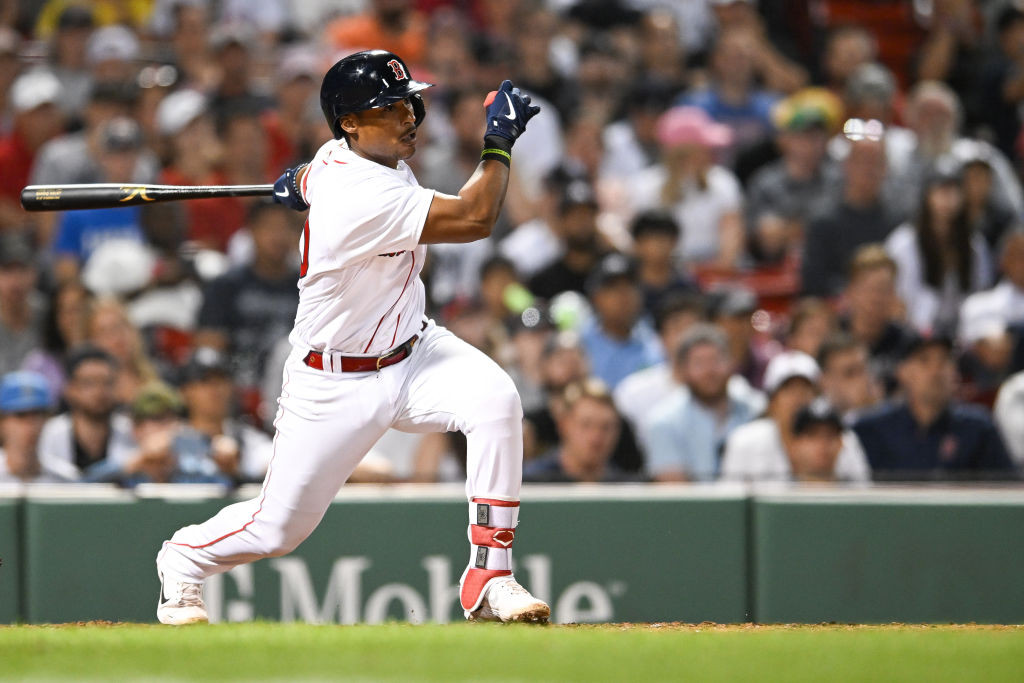
Jeter Downs, whom the Nats claimed on outright waivers from the Red Sox yesterday, is known for being a former top shortstop prospect and being included in two major trades since the Reds made him the No. 32 overall pick in the 2017 draft.
He was grouped with Homer Bailey and Josiah Gray – the latter now his Nationals teammate – in a Dec. 21, 2018 trade to the Dodgers for Kyle Farmer, Matt Kemp, Yasiel Puig and Alex Wood. Then on Feb. 10, 2020, he was famously included in the package with Alex Verdugo and Connor Wong that went to the Red Sox for Mookie Betts and David Price.
A central piece in two major trades and a highly rated prospect before turning 22 years old, Downs was, surprisingly, exposed to waivers when the Red Sox designated him for assignment last week after signing outfielder Masataka Yoshida. But of course, there’s a reason for that. His struggles in the Red Sox system and during his brief stint in the majors forced Boston to give up on the now 24-year-old.
Now, almost four years to the day since his trade to Los Angeles, Downs joins a Nationals organization where he is reunited with fellow former Dodgers prospects Gray and Keibert Ruiz. And he brings much-needed infield depth, whether he’s on the major league roster or in the minor league system.
Just three days before Christmas, general manager Mike Rizzo remains busy checking things off his list.
The Nationals announced this afternoon they have claimed infielder Jeter Downs on outright waivers from the Red Sox. Downs was designated for assignment last week when the Red Sox signed outfielder Masataka Yoshida to a five-year, $90 million contract.
Downs, 24, was born in San Andrés, Colombia, where his father was a professional baseball player. He was named after Yankees shortstop Derek Jeter, and ironically would go on to record his first major league hit and RBI then score the game-winning run against the Yankees and hit his first big league home run at Yankee Stadium this season.
He was a 2017 first-round pick (32nd overall) by the Reds out of Monsignor Edward Pace High School in Miami Gardens, Fla. He has since been traded twice, first with current Nationals starting pitcher Josiah Gray and Homer Bailey to the Dodgers in exchange for Kyle Farmer, Matt Kemp, Yasiel Puig, Alex Wood and cash in December 2018. But Downs is probably most known for being a central piece in the package along with Alex Verdugo and Connor Wong to go to Boston in the Mookie Betts and David Price trade in February 2020.
Primarily a shortstop, Downs was considered a top prospect around the sport. He was the Red Sox’s No. 1 and No. 2 prospect in 2020 and 2021, respectively, and was ranked as high as the No. 44 prospect in baseball two years ago, per MLB Pipeline.
Versatility has been the name of the Nationals’ roster building game ever since they started the organizational rebuilding process two summers ago. They value players who can play multiple positions.
Find jacks of all trades and have them fill a variety of roles.
That works pretty well for position players (infielders who can play all over and outfielders who can fill all three spots). But you might run into a master of none situation when it comes to pitching.
While the Nationals fared very well this season utilizing pitchers out of the bullpen in multiple ways, is there such a thing as too many swing men?
Get your mind out of the gutter. We’re talking baseball here.
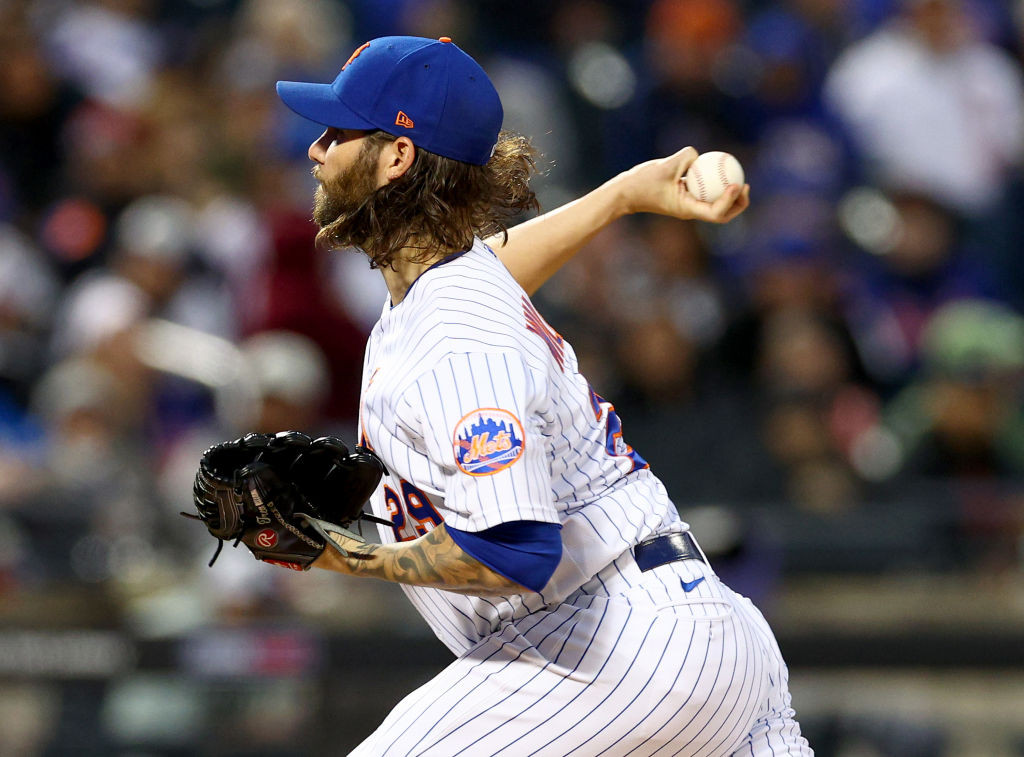
It’s a bit unusual for a seven-year veteran to depart a playoff team and sign a multi-year deal with a rebuilding organization.
But that’s exactly what Trevor Williams did when he agreed to a two-year, $13 million deal with the Nationals over the weekend after spending the last two seasons with the Mets.
Although he was left off the Mets roster for the Wild Card Series against the Padres, the 30-year-old got his first taste of a pennant race this year and was expected to be included on the Division Series roster had New York advanced.
Now he’s coming to D.C., where the Nats are coming off their third straight last-place finish in the National League East. But the right-hander understands the situation and is comfortable committing to the Nats for two years.
With such a young team in a rebuilding phase, Williams doesn’t know too many current Nationals. He had only just met manager Davey Martinez over the phone earlier this week. But he is familiar with Josh Bell, who was Williams’ teammate for five years in Pittsburgh and spent the last 1 ½ seasons in Washington, and Craig Stammen, the former Nationals draft pick who spent the first seven years of his big league career in D.C. and knows Williams from playing for his hometown Padres over the last six years.
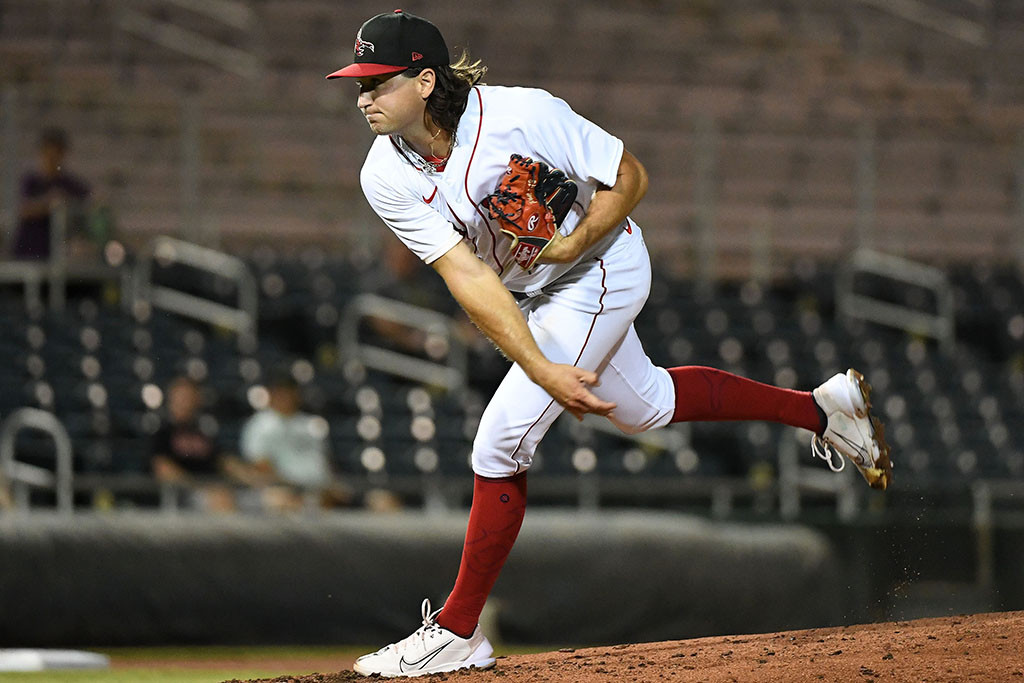
The Rule 5 draft is a resource hardly utilized by the Nationals in the past. In fact, with the No. 1 overall pick Wednesday, they made their first selection in 12 years.
But for a rebuilding team with such a high selection at such a low cost, it made too much sense for the Nats not to take a flier on a Rule 5 player and give him a shot at staying on the roster throughout the upcoming season.
So with the No. 1 pick in the Rule 5 draft, the Nationals selected right-hander Thad Ward from the Red Sox.
If you don’t know the drill by now – and no one would blame you because the Rule 5 draft is complicated and Nats fans haven’t had to worry about it in over a decade – the Nationals pay $100,000 to the Red Sox to acquire Ward and then have to keep him on the major league roster for the entire 2023 season. He has to spend at least 90 days on the active roster, not including the injured list, or offer him back to the Red Sox for $50,000.
It’s a classic low-cost, high-reward situation.
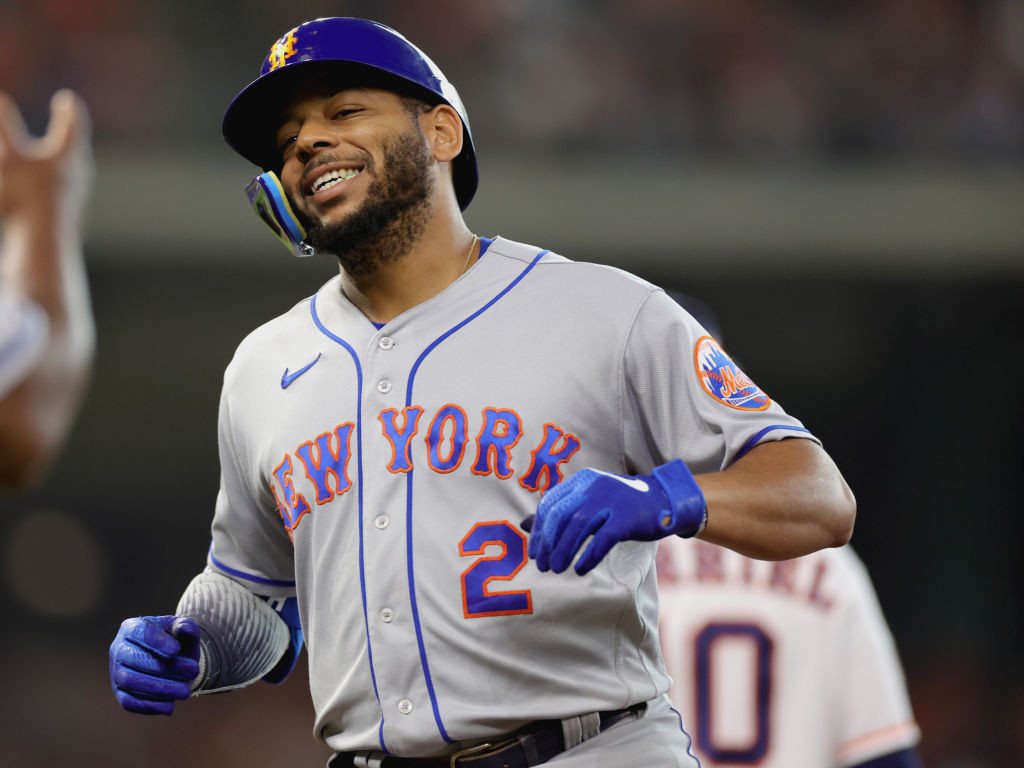
Rebuilding teams and reeling veterans are perfect matches for each other. Bring experience and leadership to a young clubhouse while playing every day to rejuvenate your career while the team develops prospects.
It’s often a mutually beneficial relationship.
The Nationals are certainly banking on that being true as this is how they’ve filled holes on their roster with three of their major league signings so far this offseason.
Jeimer Candelario, signed to a one-year deal in November, was non-tendered by the Tigers after six seasons. Trevor Williams, signed to a two-year deal last month, entered free agency knowing his role with the Mets was limited, either in the rotation or bullpen.
And Dominic Smith, who signed a one-year deal this week, was looking for a fresh start after being non-tendered by the Mets.
Though there’s still time for more additions before pitchers and catchers report to West Palm Beach – in a mere five weeks, by the way – the Nationals have now assembled what could be their Opening Day 2023 lineup.
They entered the offseason with three holes to fill: Third base, left field and either first base or designated hitter. In Jeimer Candelario, Corey Dickerson and Dominic Smith, they’re hoping they have adequately addressed those needs while constrained to a very tight budget. Those three free agents have a combined $9.25 million salary for the upcoming season, less than Josh Bell alone made last year.
Will that be enough? We’ll see. The success of the Nationals lineup may have less to do with those players’ performances than the performances of returning regulars Joey Meneses, Keibert Ruiz, CJ Abrams and Luis García.
But this is what Davey Martinez has to work with now. The question is how best to arrange this lineup.
Based on what Martinez did late last season, what he’s said this offseason and what’s now available to him, here’s one possible (probable?) batting order for Opening Day …